
Contents
- 🐠 What Exactly Is a Coral Reef?
- 📍 Where to Find Them: Global Hotspots
- 💰 Conservation & Visiting Fees
- ⭐ Visitor Ratings & Experiences
- 🆚 Reef Types: A Quick Comparison
- 🛠️ Essential Gear for Reef Exploration
- ⚠️ Respecting the Reef: Best Practices
- 📈 The Future of Coral Reefs
- Frequently Asked Questions
- Related Topics
Overview
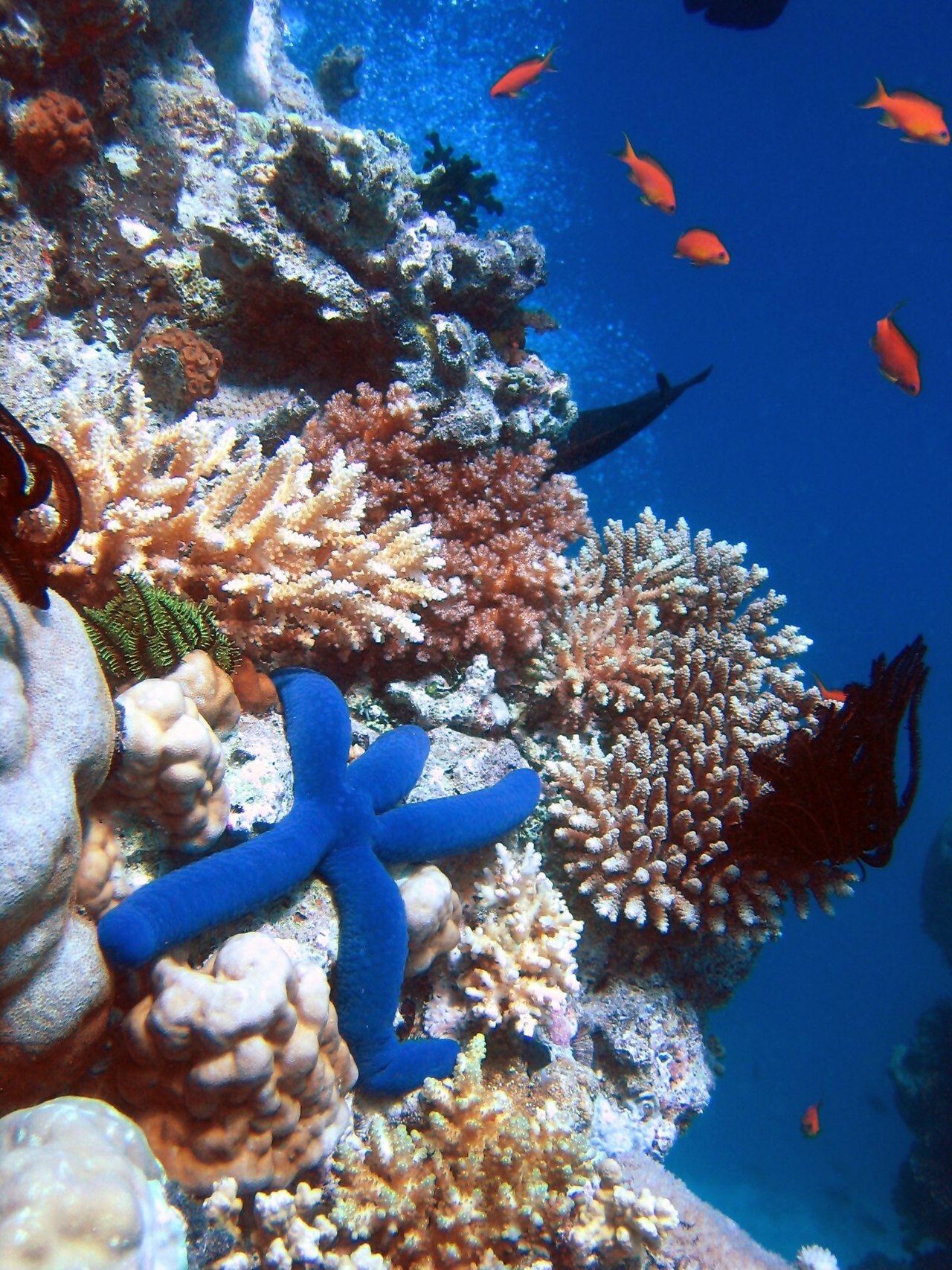
A coral reef is a vibrant underwater city, built over millennia by tiny animals called coral polyps. These polyps secrete a hard, calcium carbonate skeleton, forming the intricate structures we recognize as reefs. These formations are not just rocks; they are living ecosystems teeming with biodiversity, providing shelter and food for a quarter of all marine life. The health of a reef is a direct indicator of the ocean's well-being, making them crucial components of marine biology and ecology.
📍 Where to Find Them: Global Hotspots
The most iconic coral reef systems are found in warm, shallow, clear tropical waters. The Great Barrier Reef off the coast of Australia is the largest, visible even from space. Other major hubs include the Coral Triangle in Southeast Asia, the Caribbean Sea, and the Red Sea. Each location boasts unique species and geological formations, offering diverse exploration opportunities for marine biologists and divers alike. Understanding the geographical distribution is key to appreciating their global significance.
💰 Conservation & Visiting Fees
Visiting coral reefs often involves costs, primarily for marine conservation efforts and sustainable tourism. Dive operators, national park fees, and guided tours contribute to reef protection and research. While some reefs are accessible with minimal fees for snorkeling, others, like protected marine parks, may have higher daily or permit costs. These funds are vital for monitoring reef health, combating threats like pollution, and supporting scientific expeditions.
⭐ Visitor Ratings & Experiences
Visitor feedback consistently highlights the awe-inspiring beauty and biodiversity of healthy coral reefs. Ratings often praise the kaleidoscope of colors, the abundance of fish species, and the unique geological formations. However, negative reviews frequently point to signs of coral bleaching and damage in over-touristed or poorly managed areas. Many visitors emphasize the importance of choosing eco-friendly tour operators who prioritize reef preservation and responsible interaction.
🆚 Reef Types: A Quick Comparison
Coral reefs aren't monolithic; they come in several distinct types. Fringing reefs grow directly from the shore or island. Barrier reefs are separated from the mainland by a lagoon, with the Great Barrier Reef being the prime example. Atolls are ring-shaped reefs enclosing a lagoon, often formed around submerged volcanic islands. Each type supports different ecological niches and offers unique diving and snorkeling experiences, influencing the types of marine life you might encounter.
🛠️ Essential Gear for Reef Exploration
Exploring coral reefs requires specific gear to ensure both your safety and the reef's protection. Essential items include a mask and snorkel for surface viewing, or scuba gear for deeper dives. Reef-safe sunscreen is crucial to avoid harming delicate coral tissues. Many visitors also opt for wetsuits for warmth and protection, and underwater cameras to capture the stunning visuals. Proper buoyancy control is paramount to avoid accidental contact with the reef structure.
⚠️ Respecting the Reef: Best Practices
Responsible interaction is non-negotiable when visiting coral reefs. Never touch, stand on, or collect coral, as it is a living organism easily damaged. Maintain a safe distance from marine life and avoid feeding fish, which disrupts natural behaviors. Choose tour operators committed to sustainable tourism practices and follow their guidelines strictly. Educating yourself on the fragility of these ecosystems is the first step towards becoming a responsible reef visitor.
📈 The Future of Coral Reefs
The future of coral reefs is a subject of intense scientific debate and concern, largely driven by climate change and rising ocean temperatures. Coral bleaching events, where corals expel their symbiotic algae and turn white, are becoming more frequent and severe. While some reefs show remarkable resilience and capacity for recovery, widespread degradation is a significant threat. Innovations in coral restoration, genetic research, and global emissions reduction are critical for their long-term survival.
Key Facts
- Year
- Pre-Cambrian
- Origin
- Ancient marine invertebrates
- Category
- Marine Biology & Ecology
- Type
- Ecosystem
Frequently Asked Questions
What is the difference between coral and a plant?
Coral is an animal, specifically a marine invertebrate belonging to the phylum Cnidaria. While some corals host symbiotic algae (zooxanthellae) that perform photosynthesis, the coral polyp itself is an animal that captures food particles from the water. Plants, on the other hand, are multicellular organisms that produce their own food through photosynthesis using chlorophyll.
Why are coral reefs important?
Coral reefs are vital for numerous reasons. They act as natural barriers protecting coastlines from storms and erosion. They support an immense diversity of marine life, serving as nurseries for many fish species crucial to global fisheries. Furthermore, reefs are a source of compounds used in medicines and contribute significantly to tourism economies worldwide.
What causes coral bleaching?
Coral bleaching is primarily caused by stress, most commonly elevated sea temperatures due to climate change. When water temperatures rise too high, corals expel the symbiotic algae (zooxanthellae) living in their tissues, which provide them with food and color. Other stressors like pollution, changes in salinity, and excessive UV radiation can also trigger bleaching.
Can coral reefs recover from bleaching?
Yes, coral reefs can recover from bleaching if the stress is short-lived and temperatures return to normal. During recovery, corals can reabsorb zooxanthellae. However, prolonged or severe bleaching events can lead to coral death, and recovery can take years or even decades, provided the environmental conditions are favorable and other threats are minimized.
How can I help protect coral reefs?
You can help by reducing your carbon footprint to combat climate change, using reef-safe sunscreen, avoiding single-use plastics that end up in the ocean, and supporting sustainable seafood choices. When visiting, practice responsible tourism by not touching or collecting coral and by choosing eco-conscious tour operators.
Are all corals hard?
No, not all corals are hard. The term 'stony corals' refers to the reef-building corals that create the hard calcium carbonate skeletons. There are also 'soft corals,' such as sea fans and sea whips, which do not build reefs but are still important components of the reef ecosystem, providing habitat and contributing to biodiversity.