
Contents
- 🎵 Origins & Early Works
- ⚙️ The Lynchian Aesthetic
- 📊 Key Films and Projects
- 👥 Collaborators and Influences
- 🌍 Beyond Cinema: Music and Art
- ⚡ Modern Era and Continued Influence
- 🤔 Controversies and Interpretations
- 🔮 The Future of Lynchian Vibes
- 💡 Practical Applications of Surrealism
- 📚 Related Topics & Deeper Reading
- References
Overview
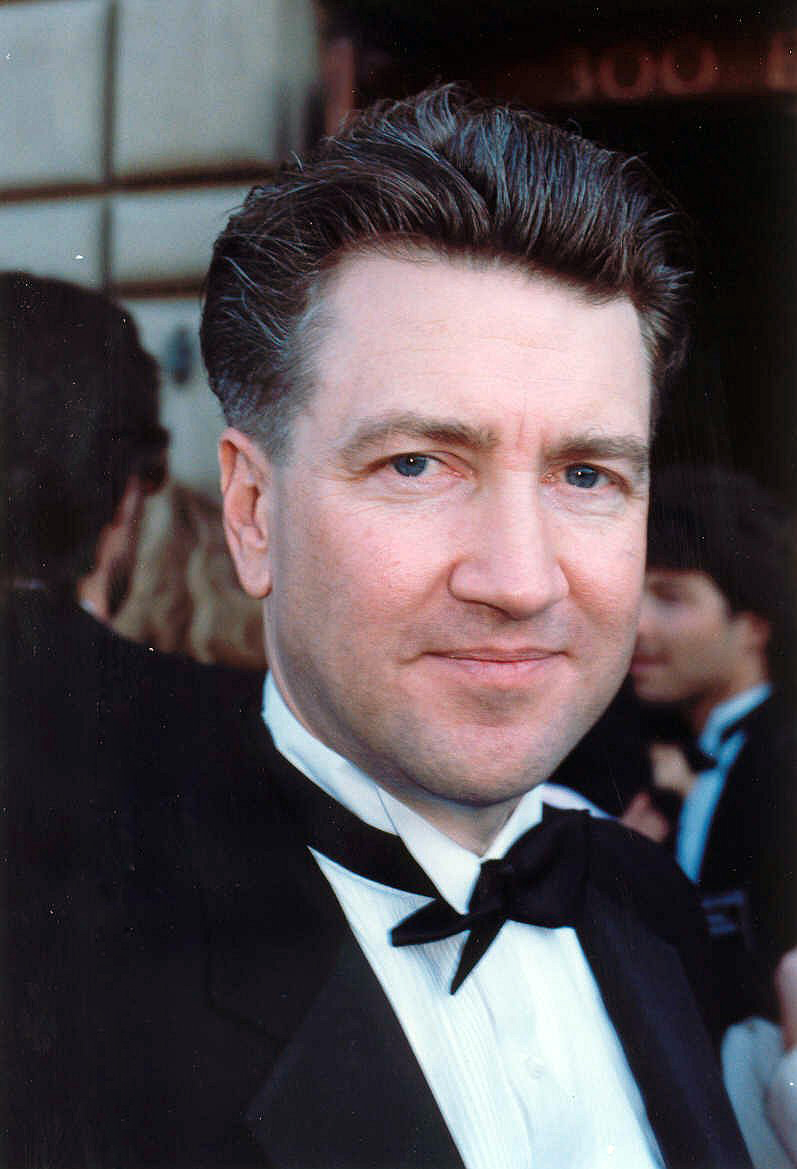
David Lynch was an American filmmaker, visual artist, musician, and actor whose distinctive surrealist style, often termed 'Lynchian,' redefined cinematic expression. Emerging from a background in painting, Lynch transitioned to filmmaking to animate his static visions, creating a body of work characterized by dreamlike narratives, unsettling atmospheres, and a profound exploration of the subconscious. His career, spanning over five decades, yielded iconic films like Eraserhead and the groundbreaking television series Twin Peaks. Lynch's unique aesthetic earned him numerous accolades, including a Palme d'Or at the Cannes Film Festival and an Academy Honorary Award, solidifying his status as one of cinema's most influential and enigmatic figures. Beyond film, his work extends to music, painting, and even a line of coffee, demonstrating a pervasive artistic vision that continues to captivate and confound audiences worldwide.
🎵 Origins & Early Works
David Lynch's artistic journey began not with film, but with painting. His early artistic endeavors were driven by a desire to imbue his static paintings with a sense of movement and life. This ambition led him to experiment with short films, culminating in his first feature, the deeply unsettling and independently financed Eraserhead. This debut, a stark black-and-white exploration of industrial decay and anxieties of reproduction, immediately established his unique, often disturbing, visual language and cemented his reputation as a singular voice in American cinema. The film's cult status grew over years, proving its enduring power to disturb and fascinate.
⚙️ The Lynchian Aesthetic
The 'Lynchian' aesthetic is a complex tapestry woven from dream logic, noirish atmosphere, and a fascination with the dark undercurrents of American suburbia. His films often feature non-linear narratives, jarring sound design, and characters grappling with psychological turmoil, blurring the lines between reality and nightmare. Lynch frequently employs recurring motifs such as red curtains, industrial landscapes, and unsettling doubles, creating a distinct visual and thematic signature. This approach challenges conventional storytelling, inviting viewers into a subjective experience rather than offering a straightforward plot. The uncanny juxtaposition of the mundane with the bizarre is a hallmark, making the familiar feel alien and the alien feel strangely resonant, as seen in works like Mulholland Drive.
📊 Key Films and Projects
Lynch's filmography is a curated collection of works that consistently push the boundaries of narrative and visual expression. Following Eraserhead, he achieved mainstream recognition with Blue Velvet, a critical and commercial success that explored the hidden perversions beneath a seemingly idyllic town. His magnum opus, the television series Twin Peaks, revolutionized episodic television with its surreal mystery and complex characters, later returning for a critically acclaimed third season. Other notable films include the ambitious Dune, the noir-thriller Lost Highway, and the Palme d'Or-winning Wild at Heart. His work often grapples with themes of identity, trauma, and the duality of human nature.
👥 Collaborators and Influences
Throughout his career, David Lynch has cultivated a stable of trusted collaborators who help translate his singular vision into tangible art. Composer Angelo Badalamenti is perhaps his most frequent and crucial partner, creating the haunting, atmospheric scores that are integral to the Lynchian experience, most famously for Twin Peaks. Actors such as Kyle MacLachlan, who starred in Dune, Blue Velvet, and Twin Peaks, and Isabella Rossellini, who made her indelible debut in Blue Velvet, have become synonymous with his work. Cinematographers like Federico Fellini (though not a direct collaborator, a clear influence) and Frank Herbert (author of the Dune novel) have also shaped the visual and thematic landscapes Lynch explores. His artistic lineage draws from surrealists like René Magritte and filmmakers such as Alfred Hitchcock.
🌍 Beyond Cinema: Music and Art
Beyond his cinematic achievements, David Lynch has cultivated a significant presence in music and visual arts. His musical endeavors include albums like 'Crazy Clown Time' and 'The Big Dream,' featuring his distinctive vocal style and experimental soundscapes, often produced in collaboration with artists like Danger Mouse. His paintings, which predate his film career, continue to be exhibited globally, showcasing a consistent artistic sensibility across different mediums. Lynch has also ventured into other creative territories, directing commercials for brands like Giorgio Armani, and even launching his own brand of coffee, 'David Lynch Signature Cup,' which he promoted with characteristic enigmatic flair. This multi-disciplinary approach underscores his commitment to exploring the 'vibe' across all forms of creative expression.
⚡ Modern Era and Continued Influence
In the 21st century, David Lynch has remained a potent cultural force, engaging with new platforms and continuing to influence contemporary art and media. His directorial return to Twin Peaks with 'The Return' was a major cultural event, demonstrating the enduring appeal of his unique storytelling and visual style. Lynch has also embraced digital platforms, notably through his YouTube channel where he shares short films, weather reports from Los Angeles, and Q&A sessions, further connecting with his audience in an intimate, albeit still enigmatic, manner. His work continues to be studied in film schools and analyzed by critics, with retrospectives and academic conferences dedicated to his oeuvre. The 'Lynchian' adjective remains a potent descriptor for anything possessing his signature blend of surrealism, darkness, and uncanny beauty.
🤔 Controversies and Interpretations
David Lynch's work is not without its controversies and varied interpretations. The explicit and often disturbing content in films like Blue Velvet and Wild at Heart has drawn criticism from some for its perceived gratuitousness or exploitative nature. The ambiguity and surrealism inherent in his narratives also lead to frequent debates about their meaning, with audiences and critics offering vastly different readings of his intentions. For instance, the ending of Mulholland Drive remains a subject of intense speculation and analysis. Furthermore, his sometimes unconventional production methods and public persona have fueled discussions about his artistic process and motivations, with some viewing him as a visionary genius and others as an eccentric provocateur. The debate over whether his work is profound or merely provocative continues to this day.
🔮 The Future of Lynchian Vibes
The future of David Lynch's influence is likely to remain potent, extending beyond traditional filmmaking. His embrace of digital platforms suggests a continued exploration of new avenues for artistic expression, potentially through interactive media or serialized online content. The enduring appeal of the 'Lynchian' aesthetic suggests that future generations of filmmakers, artists, and musicians will continue to draw inspiration from his unique blend of surrealism, psychological depth, and atmospheric storytelling. As artificial intelligence and virtual reality technologies evolve, Lynch's pioneering work in creating immersive, dreamlike worlds may offer a blueprint for new forms of digital experience. The question remains whether new artists can capture the specific, unsettling 'vibe' that defines his work, or if it will remain uniquely his own.
💡 Practical Applications of Surrealism
While David Lynch's work is primarily artistic, the principles behind his surrealist approach have found echoes in various practical applications. The use of evocative atmosphere and psychological resonance, central to films like Twin Peaks, can inform the design of immersive experiences in virtual reality environments or theme parks, aiming to create a strong emotional impact. His ability to blend the ordinary with the extraordinary, seen in his commercials for brands like Calvin Klein, demonstrates how unconventional aesthetics can be leveraged for marketing to create memorable and attention-grabbing campaigns. Furthermore, the exploration of subconscious themes and dream logic in his narratives has been a subject of interest in fields like psychoanalysis and psychology, offering a unique lens through which to
Key Facts
- Category
- culture
- Type
- topic