
Contents
- 🎵 Origins: From Cassettes to Cloud
- ⚙️ How Digital Audio Learning Works
- 📊 Key Facts & Usage Statistics
- 👥 Key Innovators & Platforms
- 🌍 Cultural Impact on Education
- ⚡ Current State of Audio Learning
- 🤔 Debates: Accessibility vs. Engagement
- 🔮 Future Outlook: AI and Immersive Audio
- 💡 Practical Applications in Microschools
- 📚 Related Topics & Deeper Reading
- References
Overview
Digital audio learning tools represent the modern evolution of educational content delivery, transforming how microschools engage students and manage learning. Moving beyond the limitations of physical media like cassette tapes, these platforms offer dynamic, accessible, and trackable audio experiences. They encompass a range of applications, from interactive audio lessons and educational podcasts to sophisticated learning management systems that integrate audio content with progress calculators and analytics. For microschools seeking to build innovative educational models, these digital audio tools are crucial for fostering personalized learning pathways, supporting diverse learning styles, and enhancing student engagement in an increasingly digital educational landscape. Their integration allows for flexible, on-demand access to knowledge, making them a cornerstone of next-generation educational strategies.
🎵 Origins: From Cassettes to Cloud
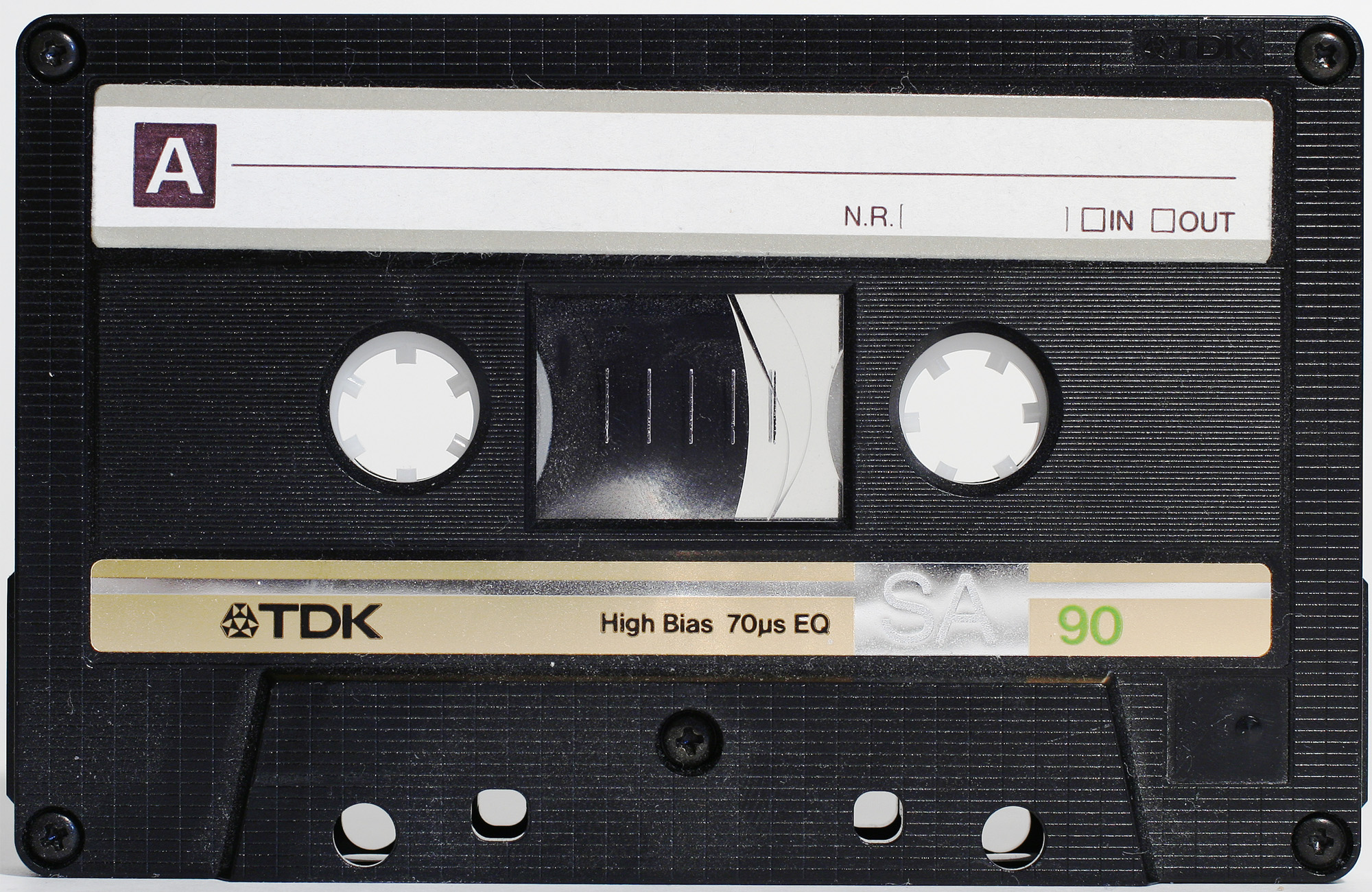
The concept of using audio for education has roots in the mid-20th century with the advent of magnetic tape formats like the Compact Cassette, pioneered by Philips in 1963. These early audio tapes allowed for pre-recorded educational content and student recordings, offering a novel way to disseminate information beyond traditional textbooks. However, their limitations in terms of durability, portability, and ease of duplication paved the way for digital audio. The rise of the internet and cloud storage has accelerated the transition to digital audio formats, enabling a revolution in how audio content is created, distributed, and consumed. Platforms like Spotify and Apple Music have demonstrated the potential for vast digital audio libraries, which educational innovators soon began to adapt for learning environments, moving far beyond the analog constraints of early audio tapes.
⚙️ How Digital Audio Learning Works
Digital audio learning tools function by encoding sound into digital data, which can then be stored, transmitted, and processed by electronic devices. This process typically involves converting analog audio signals into binary code through a process called analog-to-digital conversion. The resulting digital files (e.g., MP3, AAC, WAV) can be streamed or downloaded via the internet, accessed through dedicated educational apps, or integrated into learning management systems like Canvas LMS or Google Classroom. These tools often incorporate features for interactivity, such as embedded quizzes, progress tracking, and personalized feedback mechanisms, allowing educators to monitor student comprehension and engagement with audio materials, a significant advancement over passive listening to analog tapes.
📊 Key Facts & Usage Statistics
Educational podcasts and audiobooks represent a multi-billion dollar industry, indicating a strong demand for audio-based learning resources across all age groups, including those in microschool settings.
👥 Key Innovators & Platforms
Several key individuals and platforms have been instrumental in shaping digital audio learning. Pioneers in digital audio compression, such as Karlheinz Brandenburg for MP3, laid the groundwork for efficient file distribution. In the educational technology space, companies like Coursera and edX have integrated video and audio lectures into their massive open online courses (MOOCs), reaching millions of learners worldwide. Specialized platforms like Audible for audiobooks and numerous educational podcast networks provide vast libraries of content. For microschools, tools like Google Workspace offer collaborative audio features, while platforms like Outschool facilitate live, interactive sessions that can incorporate audio elements, demonstrating a diverse ecosystem of innovators.
🌍 Cultural Impact on Education
The cultural impact of digital audio on education is profound, democratizing access to knowledge and diversifying learning experiences. Unlike the fixed nature of physical media, digital audio is easily updated, shared, and adapted, fostering a more dynamic educational environment. It supports auditory learners, enables multitasking, and provides rich storytelling for complex subjects, making learning more engaging and accessible. The rise of educational podcasts and audio documentaries has also introduced new forms of narrative learning, influencing how information is presented and consumed. This shift has moved education beyond the classroom walls, allowing for continuous learning through readily available digital audio resources, a stark contrast to the limited reach of pre-digital audio tapes.
⚡ Current State of Audio Learning
Currently, digital audio learning is characterized by increasing sophistication and integration into mainstream educational practices. AI-powered tools are beginning to offer personalized audio content generation and real-time transcription services, enhancing accessibility and engagement. The proliferation of smart speakers and voice assistants in homes and classrooms is further normalizing audio-based interaction with educational content.
Key Facts
- Category
- technology
- Type
- topic