
Contents
Overview
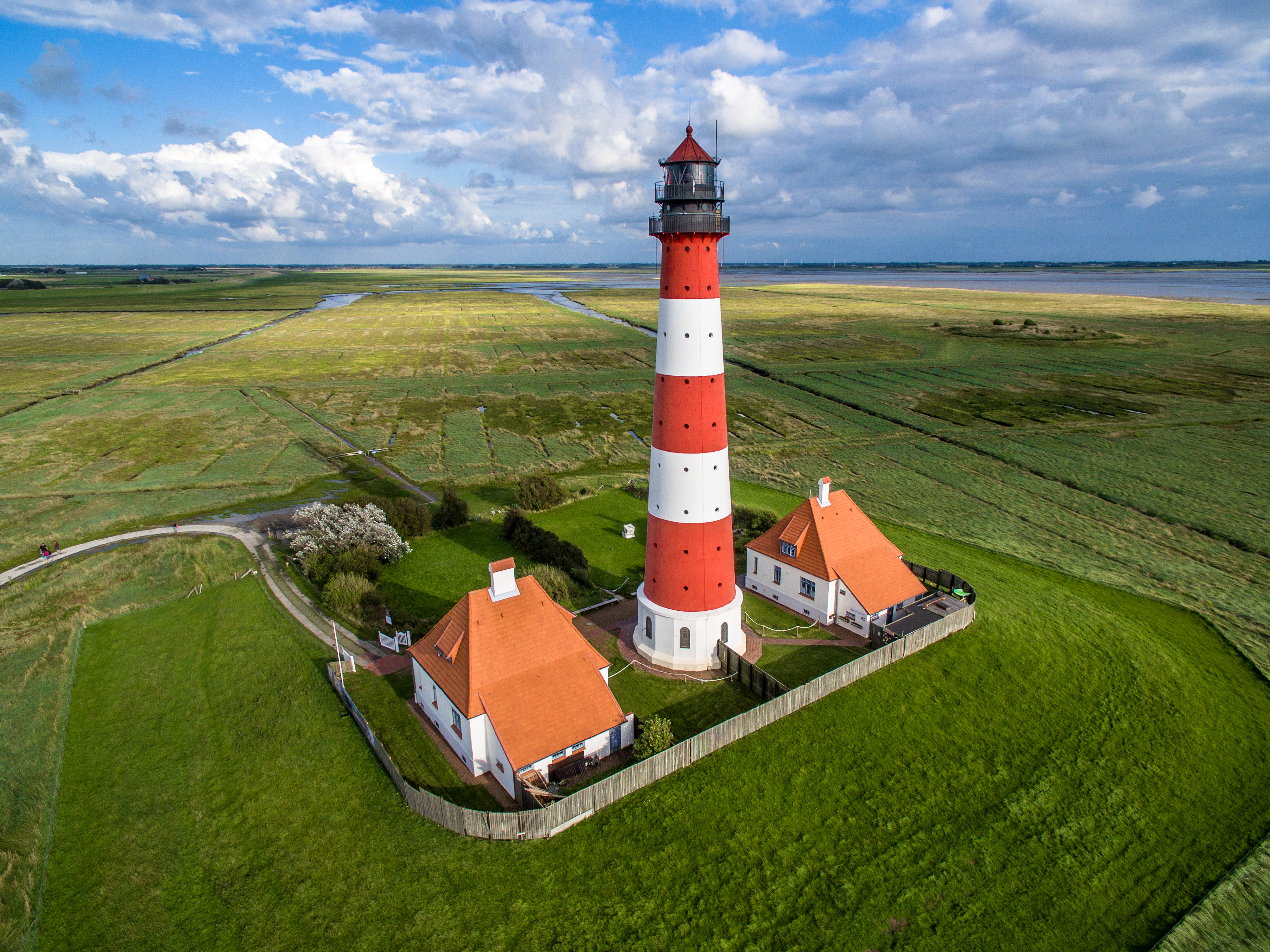
Drone photography, also known as unmanned aerial vehicle (UAV) photography, involves capturing images and video from aircraft without a human pilot onboard. These remotely piloted or autonomous flying platforms have revolutionized aerial imaging, offering unprecedented accessibility, cost-effectiveness, and creative freedom compared to traditional methods like manned aircraft or cranes. From breathtaking landscape vistas and architectural surveys to dynamic event coverage and industrial inspections, drone photography provides unique perspectives that were once the exclusive domain of expensive, specialized operations. The technology has rapidly evolved, with advancements in camera quality, flight stability, battery life, and intelligent flight modes democratizing aerial imaging for professionals and hobbyists alike. Its applications span numerous industries, fundamentally changing how we document, analyze, and interact with our environment.
🎵 Origins & History
The concept of aerial photography predates drones by over a century, with early experiments dating back to the mid-19th century using balloons and kites. The miniaturization of cameras and stabilization technology, coupled with falling prices, made unmanned aerial vehicles (UAVs), commonly known as drones, accessible for civilian use. This marked a significant shift from the expensive and logistically complex methods of using helicopters or fixed-wing aircraft, opening up new creative avenues for filmmakers, photographers, and surveyors.
⚙️ How It Works
Drone photography relies on a sophisticated interplay of hardware and software. A typical drone equipped for photography includes a camera, a gimbal for stabilization, flight controllers, GPS for navigation, and a power source, usually a rechargeable LiPo battery. Operators control the drone remotely via a handheld controller or a mobile device, which often displays a live video feed from the drone's camera. Advanced drones feature autonomous flight modes, allowing them to follow pre-programmed flight paths, orbit points of interest, or maintain a set distance and altitude, enabling complex shots with precision. The captured imagery is stored on onboard memory cards and can be transmitted wirelessly in real-time.
📊 Key Facts & Numbers
The global drone photography market is experiencing explosive growth. The professional drone market, encompassing industrial and commercial applications, accounts for a significant portion of this revenue. Battery life has improved dramatically, with many drones now offering flight times of 30 minutes or more on a single charge.
👥 Key People & Organizations
Several key individuals and organizations have shaped the landscape of drone photography. DJI, founded by Frank Wang, has been instrumental in popularizing consumer and professional drones. Organizations like the Association for Unmanned Vehicle Systems International (AUVSI) advocate for drone technology and provide regulatory guidance. Photography platforms like 500px and Instagram have become crucial showcases for drone photographers, fostering a global community and driving aesthetic trends.
🌍 Cultural Impact & Influence
Drone photography has profoundly impacted visual culture, democratizing perspectives previously reserved for high-budget productions. It has fueled a surge in breathtaking landscape and travel photography, with platforms like Instagram flooded with aerial shots that inspire wanderlust. Filmmakers now routinely incorporate drone shots for dynamic establishing shots and sweeping sequences, a trend popularized by films and documentaries utilizing drones for dramatic effect. Real estate marketing has been transformed, with aerial property tours becoming standard practice. Furthermore, it has fostered a new generation of artists and visual storytellers who leverage drones as their primary creative tool, pushing the boundaries of composition and narrative.
⚡ Current State & Latest Developments
The drone photography sector is currently experiencing rapid innovation. The integration of artificial intelligence (AI) is becoming more prevalent, enabling smarter subject tracking, automated flight planning, and even AI-assisted image editing. Regulatory bodies worldwide, such as the Federal Aviation Administration (FAA) in the United States, are continuously updating regulations for commercial drone operations, including requirements for remote ID and beyond-visual-line-of-sight (BVLOS) flights. The development of smaller, more agile drones capable of indoor flight and operating in complex environments is also a significant trend.
🤔 Controversies & Debates
Significant debates surround drone photography, primarily concerning privacy and airspace regulation. Critics argue that widespread drone use, particularly for surveillance or unauthorized filming, infringes on individual privacy. The potential for drones to be used for malicious purposes, such as smuggling or espionage, also raises security concerns. Airspace management is another major challenge; integrating thousands of drones safely into existing air traffic systems requires robust technological solutions and clear regulatory frameworks. Ethical considerations also arise regarding the potential for job displacement in traditional aerial photography sectors and the responsible use of drone imagery in sensitive contexts like conflict zones or disaster areas.
🔮 Future Outlook & Predictions
The future of drone photography points towards greater autonomy, enhanced imaging capabilities, and broader integration into professional workflows. Expect drones to become even smaller, quieter, and more energy-efficient, with longer flight times and improved payload capacities for advanced sensors. 5G and satellite internet connectivity will enable seamless real-time data transmission and remote operation over vast distances. AI will play an increasingly crucial role, moving beyond flight assistance to sophisticated image analysis and content generation. The regulatory landscape will continue to evolve, likely enabling more complex operations like BVLOS flights for widespread infrastructure monitoring and delivery services, further solidifying drone photography's role in various industries.
💡 Practical Applications
Drone photography has found indispensable applications across a multitude of sectors. In real estate, it provides compelling aerial views that significantly enhance property listings. The film and television industry uses drones for dynamic camera movements and establishing shots that were previously cost-prohibitive. Construction and infrastructure projects utilize drones for site surveys, progress monitoring, and inspections of hard-to-reach areas like bridges and wind turbines. Agriculture benefits from drone imagery for crop health analysis and precision farming. Emergency services employ drones for search and rescue operations, disaster assessment, and situational awareness. Even tourism and event management leverage drone footage for promotional materials and live event coverage.
Key Facts
- Category
- technology
- Type
- technology