
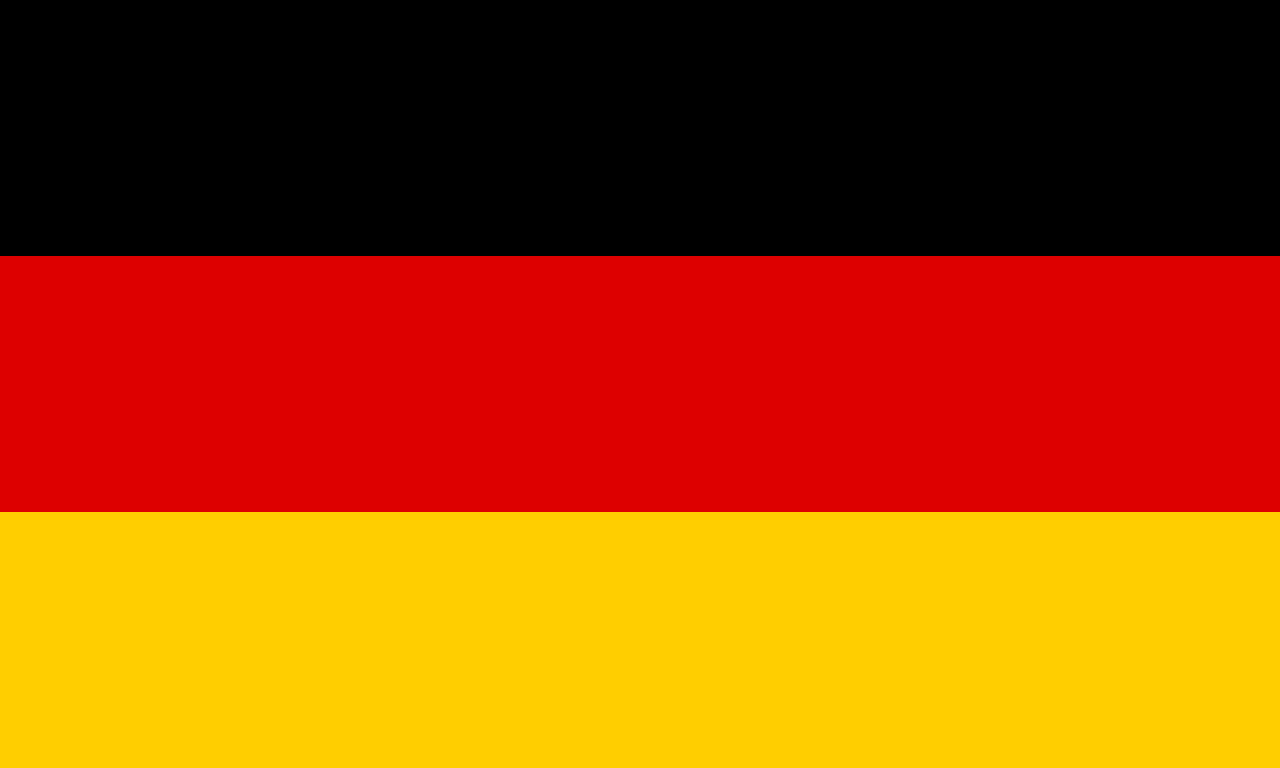
Contents
- 🇩🇪 Overview: Your Gateway to Germany
- 📍 Location & Geography: Where to Find Germany
- 🏛️ Government & Politics: Understanding the Federal Republic
- 👥 Population & Demographics: A Look at Germany's People
- 💰 Economy & Industry: The Engine of Europe
- 🗣️ Language & Culture: Experiencing German Life
- ✈️ Getting Around: Transportation in Germany
- 🍽️ Food & Drink: A Taste of Germany
- Frequently Asked Questions
- Related Topics
Overview
Germany, a nation at the heart of Europe, boasts a rich and complex history, from its medieval roots and the Holy Roman Empire to its pivotal role in two World Wars and its subsequent division and reunification. Today, it stands as a leading economic power, renowned for its engineering prowess, automotive industry (think Volkswagen, BMW, Mercedes-Benz), and a robust social market economy. Culturally, Germany offers a diverse landscape, from the Oktoberfest celebrations in Bavaria and the historic Hanseatic League cities in the north to the vibrant arts scenes in Berlin and the picturesque Rhine Valley. Its political system is a federal parliamentary republic, with a strong emphasis on federalism and a commitment to European integration.
🇩🇪 Overview: Your Gateway to Germany
Welcome to Germany, officially the Federal Republic of Germany, a nation that stands as a cornerstone of Western and Central Europe. This guide is your essential companion for navigating the complexities and delights of this dynamic country. From its bustling metropolises to its serene countryside, Germany offers a rich tapestry of experiences for travelers, business professionals, and cultural enthusiasts alike. Whether you're planning a visit or seeking to understand its place in the world, this overview will equip you with the fundamental knowledge to embark on your German journey.
📍 Location & Geography: Where to Find Germany
Germany's strategic location in Europe is a defining characteristic, bordered by nine other nations and two major seas: the Baltic to the north and the North Sea also to the north. To the south, the majestic Alps form a natural boundary. This geography influences everything from its climate to its historical trade routes. The country's sixteen constituent states, each with its own unique character, span diverse landscapes, from the coastal plains of the north to the rolling hills and mountainous regions of the south. Understanding this geographical context is key to appreciating Germany's internal diversity and its role as a continental hub.
🏛️ Government & Politics: Understanding the Federal Republic
Germany operates as a federal parliamentary republic, with a strong emphasis on its sixteen constituent states, known as Länder. The capital, Berlin, serves as the political heart, while Frankfurt is the undisputed financial powerhouse. The political system is designed to balance federal authority with state autonomy, a structure that has evolved significantly since the post-war era. Key institutions like the Bundestag (parliament) and the Bundesrat (federal council representing the states) are central to its governance. Familiarizing yourself with this federal structure provides crucial insight into how decisions are made and implemented across the nation.
👥 Population & Demographics: A Look at Germany's People
With over 82 million inhabitants, Germany is the most populous member state of the European Union, making it a significant demographic force on the continent. The population is concentrated in urban areas, with the Ruhr region being the largest urban agglomeration. Berlin, the capital, is not only the political center but also the most populous city, a vibrant hub of culture and innovation. Understanding Germany's demographics is vital for grasping its social dynamics, labor market, and cultural evolution, which is increasingly shaped by a diverse population and ongoing demographic trends.
💰 Economy & Industry: The Engine of Europe
Germany boasts one of the world's largest and most advanced economies, renowned for its engineering prowess, particularly in the automotive and manufacturing sectors. Its status as the engine of Europe is well-earned, driven by innovation, a highly skilled workforce, and a strong export orientation. Key industries include automotive manufacturing (think Volkswagen, BMW, and Mercedes-Benz), machinery, chemicals, and pharmaceuticals. Frankfurt's role as a major financial center further underscores Germany's economic might and its central position in global finance.
🗣️ Language & Culture: Experiencing German Life
The official language of Germany is German, a West Germanic language spoken by the vast majority of the population. While regional dialects exist, standard German is understood nationwide. Culturally, Germany is known for its rich history in philosophy, music, literature, and art, with figures like Johann Wolfgang von Goethe, Johann Sebastian Bach, and Immanuel Kant leaving an indelible mark on global culture. Experiencing German culture involves appreciating its traditions, from its famed Oktoberfest celebrations to its modern art scene, and understanding the values of punctuality, efficiency, and directness often associated with its people.
✈️ Getting Around: Transportation in Germany
Navigating Germany is remarkably efficient thanks to its comprehensive transportation network. The Deutsche Bahn (DB) operates an extensive and reliable rail system connecting major cities and towns, making train travel a popular and often preferred mode of transport. Major cities like Berlin, Munich, and Hamburg have sophisticated public transport systems, including U-Bahn (subway), S-Bahn (urban rail), trams, and buses. For international travel, Germany has several major airports, including Frankfurt Airport (FRA), one of Europe's busiest hubs. Planning your travel routes in advance is recommended, especially for longer distances.
🍽️ Food & Drink: A Taste of Germany
German cuisine is hearty, diverse, and often misunderstood, extending far beyond sausages and sauerkraut. While these staples are certainly present, regional specialties abound. Expect robust flavors, with a strong emphasis on pork, potatoes, and cabbage. Iconic dishes include Wiener Schnitzel, Bratwurst, and various regional stews. Germany is also famous for its beer, with a Reinheitsgebot (purity law) dating back to 1516, and a wide array of excellent wines, particularly from regions like the Rhine and Mosel valleys. Exploring local bakeries for fresh bread and pastries is also a must-do culinary experience.
Key Facts
- Year
- 1949
- Origin
- Federal Republic of Germany established
- Category
- Country Guide
- Type
- Country
Frequently Asked Questions
What is the official language of Germany?
The official language of Germany is German. While there are regional dialects, standard German is widely understood and used across the country in official capacities, media, and general communication. English is also commonly spoken in tourist areas and by younger generations, but knowing a few basic German phrases can greatly enhance your experience.
What is the currency used in Germany?
Germany uses the Euro (€) as its official currency. As a member of the Eurozone, it adopted the Euro in 2002, replacing the Deutsche Mark. Euros are widely accepted throughout the country, and ATMs are readily available for cash withdrawals. Credit and debit cards are also commonly accepted in most shops, restaurants, and hotels.
What are the main modes of transportation within Germany?
Germany boasts an excellent public transportation system. The national railway company, Deutsche Bahn (DB), offers extensive high-speed and regional train services connecting cities and towns efficiently. Major cities also have well-developed local transit networks, including subways (U-Bahn), urban trains (S-Bahn), trams, and buses. Car rentals are available, but driving in city centers can be challenging due to traffic and parking.
What is the best time of year to visit Germany?
The best time to visit Germany largely depends on your interests. Spring (April-May) and autumn (September-October) offer pleasant weather, fewer crowds, and beautiful scenery, especially during the fall foliage season. Summer (June-August) is warm and ideal for outdoor activities and festivals, but it's also the peak tourist season. Winter (November-March) is cold but offers charming Christmas markets and opportunities for winter sports.
What are some must-try German foods and drinks?
Beyond the famous Bratwurst and Sauerkraut, you should try regional specialties like Wiener Schnitzel (breaded veal or pork cutlet), Käsespätzle (a cheesy noodle dish), and various types of bread and pretzels. Germany is also renowned for its beer, with countless varieties available, and its excellent wines, particularly from the Rhine and Mosel regions. Don't forget to sample the pastries and cakes from local bakeries.
How is Germany's healthcare system structured?
Germany has a universal healthcare system, primarily based on statutory health insurance (Gesetzliche Krankenversicherung - GKV) and private health insurance (Private Krankenversicherung - PKV). Most residents are covered by GKV, which is funded through contributions from employers and employees. The system provides comprehensive medical care, including doctor visits, hospital stays, and prescription drugs. Visitors should ensure they have adequate travel insurance.