
Contents
- 🔬 Origins and Educational Philosophy
- ⚙️ Pedagogical Approaches
- 📊 Learning Outcomes and Metrics
- 👥 Key Educators and Innovators
- 🌍 Societal Relevance and Impact
- ⚡ Current Trends in Microschool Health Curricula
- 🤔 Debates in Microschool Health Education
- 🔮 Future of Health Literacy in Microschools
- 💡 Practical Integration Examples
- 📚 Further Exploration in Educational Design
- References
Overview
Microschools, with their flexible and personalized learning environments, offer unique opportunities to integrate comprehensive health and science education. This approach moves beyond traditional rote learning, encouraging students to engage with topics like disease prevention, the scientific method, and the importance of ongoing research through hands-on projects and interdisciplinary studies. By fostering critical thinking and a proactive approach to well-being, microschools aim to equip students with the knowledge and skills to navigate complex health issues and understand the scientific advancements that shape their world. This model emphasizes student-led inquiry, allowing for deeper exploration of subjects relevant to their lives and communities, preparing them for informed decision-making in health and science.
🔬 Origins and Educational Philosophy
The genesis of health and science education within microschools stems from a broader movement towards personalized and experiential learning, diverging from the standardized models of traditional schooling. These alternative educational settings, often characterized by small student-to-teacher ratios and flexible curricula, emerged as a response to perceived limitations in conventional education. The philosophy emphasizes tailoring instruction to individual student needs, interests, and learning styles, creating an environment where complex topics like biology, public health, and scientific research can be explored in depth. This approach is exemplified by pioneers who advocate for student-centered learning journeys that can naturally incorporate scientific inquiry and health awareness.
⚙️ Pedagogical Approaches
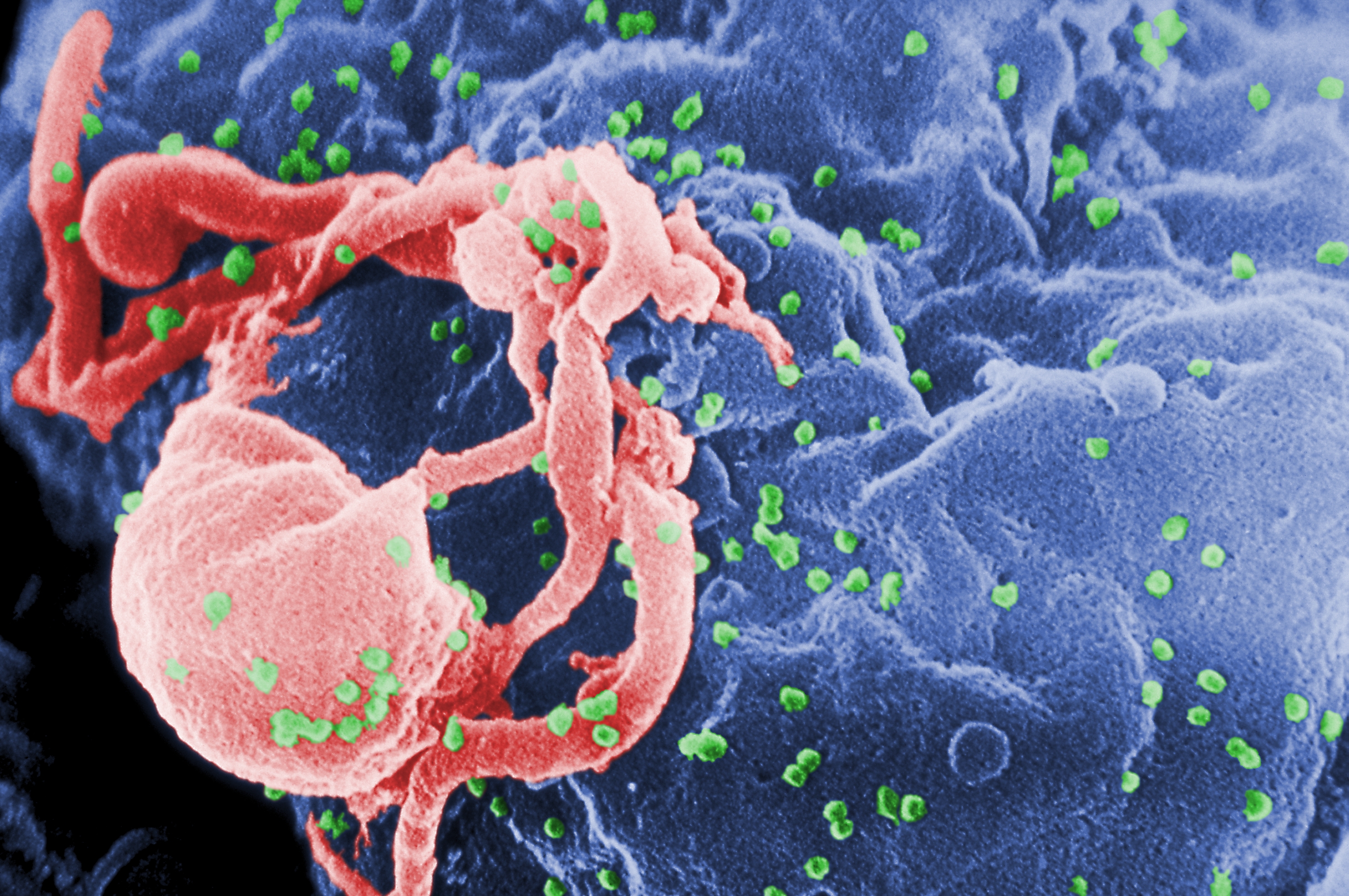
Microschools employ a variety of pedagogical strategies to deliver health and science education effectively. Project-based learning is paramount, allowing students to investigate real-world issues, such as understanding infectious diseases or the principles behind medical research, through hands-on projects. Socratic seminars and inquiry-based learning encourage critical thinking and discussion, enabling students to grapple with complex scientific concepts and ethical considerations. For instance, a microschool might design a unit around the HIV/AIDS epidemic, exploring its historical context, the scientific breakthroughs in antiretroviral therapy, and the social impact, all driven by student questions and research. This contrasts with the lecture-heavy format often found in larger institutions.
📊 Learning Outcomes and Metrics
Measuring the success of health and science education in microschools involves a multifaceted approach that goes beyond standardized test scores. Key learning outcomes often include enhanced scientific literacy, critical thinking skills, problem-solving abilities, and a proactive understanding of personal and community health. Metrics might involve the successful completion of research projects, student portfolios showcasing scientific investigations, participation in health-focused community initiatives, and demonstrated ability to articulate complex scientific ideas. Students might track the progress of a hypothetical vaccine development or analyze public health data related to local health trends, demonstrating their grasp of scientific methodology and its real-world applications. The focus is on depth of understanding and practical application rather than breadth of coverage.
👥 Key Educators and Innovators
Several educators and organizations are instrumental in shaping health and science education within the microschool movement. Figures who champion self-directed education highlight how students can independently pursue scientific interests. Educational models that share philosophies of student agency and hands-on learning are foundational to effective microschool science curricula. These educators and institutions champion approaches that empower students to become lifelong learners and critical consumers of scientific information, whether it pertains to basic biology or complex medical research.
🌍 Societal Relevance and Impact
The integration of health and science education in microschools has significant societal relevance, particularly in fostering a generation better equipped to understand and address public health challenges. By demystifying scientific research and promoting health literacy from an early age, microschools contribute to a more informed populace capable of making sound health decisions and critically evaluating scientific claims. This is crucial in an era marked by rapid scientific advancements and the spread of health misinformation. The emphasis on inquiry-based learning also cultivates a sense of civic responsibility, encouraging students to consider the broader societal implications of scientific discoveries and health policies.
⚡ Current Trends in Microschool Health Curricula
Current trends in microschool health and science curricula often involve leveraging digital tools and real-world data to enhance learning. Many microschools are incorporating virtual labs, online scientific journals, and data visualization tools to make complex scientific research accessible and engaging. There's a growing emphasis on topics like genetics, epidemiology, and environmental science, connecting classroom learning to pressing global issues. Some microschools are also forging partnerships with local health organizations or universities to provide students with authentic research experiences, allowing them to contribute to ongoing scientific projects and gain practical insights into fields like biotechnology or public health research.
🤔 Debates in Microschool Health Education
Debates surrounding health and science education in microschools often center on curriculum standardization versus flexibility, and the depth of scientific inquiry achievable in small, agile settings. Critics sometimes question whether microschools can adequately cover the breadth of scientific knowledge required for higher education or professional pathways, especially when compared to traditional science departments. Conversely, proponents argue that the personalized nature of microschools allows for a deeper, more meaningful engagement with scientific principles and research methodologies, fostering genuine understanding rather than superficial memorization. The challenge lies in balancing student-driven exploration with the need for foundational scientific knowledge and research skills.
🔮 Future of Health Literacy in Microschools
The future of health and science education in microschools points towards even greater integration of advanced technologies and interdisciplinary approaches. We can anticipate a rise in microschools focusing on specialized STEM pathways, potentially including modules on bioinformatics, genomic research, or public health policy. The use of AI-powered learning platforms and virtual reality simulations will likely become more prevalent, offering students immersive experiences in scientific research environments. Furthermore, there's a potential for microschool networks to collaborate on larger research projects, pooling resources and expertise to tackle complex scientific questions, thereby democratizing access to cutting-edge scientific education.
💡 Practical Integration Examples
Practical examples of integrating health and science education in microschools abound. A common approach involves students designing and conducting their own experiments, perhaps investigating the efficacy of different natural disinfectants or the impact of light on plant growth, mirroring the scientific method used in labs. Microschools might organize 'Health & Science Fairs' where students present their research findings. Another effective strategy is to use current events, such as a new medical breakthrough or a public health advisory, as springboards for in-depth research projects. Students could create public service announcements about disease prevention or build models illustrating biological processes, demonstrating their
Key Facts
- Category
- education
- Type
- topic