
Contents
Overview
The 'LGBTQ future' is not a singular, predetermined path but a dynamic and contested horizon shaped by ongoing struggles for rights, evolving cultural expressions, and shifting societal understandings of gender and sexuality. It encompasses the aspirations, challenges, and potential trajectories for lesbian, gay, bisexual, transgender, queer, and other gender and sexual minority individuals and communities globally. This future is being actively constructed through activism, legal battles, artistic innovation, and everyday acts of identity affirmation. Key to its development are the ongoing debates around legal recognition, social acceptance, and the dismantling of systemic discrimination. The trajectory is influenced by factors ranging from technological advancements in communication and healthcare to geopolitical shifts and the persistent work of organizations like Human Rights Campaign and Stonewall UK. Ultimately, the LGBTQ future is a testament to resilience, a vision for a more inclusive world, and a continuous negotiation of identity in the face of both progress and backlash.
🎵 Origins & History
The concept of an 'LGBTQ future' emerged from the ashes of historical persecution and the burgeoning visibility of queer communities in the mid-to-late 20th century. Precursors can be traced to early homophile movements in the mid-1900s, such as the Mattachine Society and the Daughters of Bilitis, which sought assimilation and basic rights. The American Psychiatric Association declassified homosexuality as a mental disorder in 1973. The subsequent decades saw the rise of AIDS activism, particularly through groups like ACT UP, which demanded not only healthcare but also a future where queer lives were valued. The increasing visibility of transgender individuals, particularly following figures like Christine Jorgensen and later activists, further broadened the scope of what an inclusive LGBTQ future could entail, moving beyond solely gay and lesbian concerns to encompass a wider spectrum of gender and sexual diversity.
⚙️ How It Works
The 'LGBTQ future' functions not as a fixed destination but as a continuous process of negotiation and creation. It is built through a multi-pronged approach involving legal advocacy, cultural production, and community organizing. Legal frameworks are crucial, with ongoing efforts to secure marriage equality, non-discrimination protections in employment and housing, and legal recognition for transgender and non-binary identities. This involves lobbying governments, challenging discriminatory laws in courts, and advocating for international human rights standards. Culturally, the future is shaped by art, media, and literature that challenge heteronormative narratives and center queer experiences, from the films of Ryan Murphy to the music of Lil Nas X. Community organizing, exemplified by local LGBTQ+ centers and global networks like Intersex Human Rights Australia, provides vital support systems and platforms for collective action. Furthermore, advancements in healthcare, particularly in gender-affirming care and HIV prevention like PrEP, are integral to realizing a future where queer individuals can live healthier, longer lives. The digital realm also plays a significant role, enabling global connections and the rapid dissemination of information and solidarity through platforms like Twitter and Tumblr.
📊 Key Facts & Numbers
The pursuit of an LGBTQ future is marked by significant statistical milestones and ongoing disparities. Despite progress in some areas, legal protections and social acceptance vary widely across the globe. In the United States, while marriage equality was established nationwide, many LGBTQ individuals still report experiencing discrimination. Transgender individuals face significant challenges, often linked to societal stigma and lack of access to affirming care. Representation in media remains a critical issue, with ongoing efforts to increase LGBTQ visibility. Funding for LGBTQ+ organizations also remains a critical issue, with many relying heavily on private donations and facing budget constraints that limit their reach and impact.
👥 Key People & Organizations
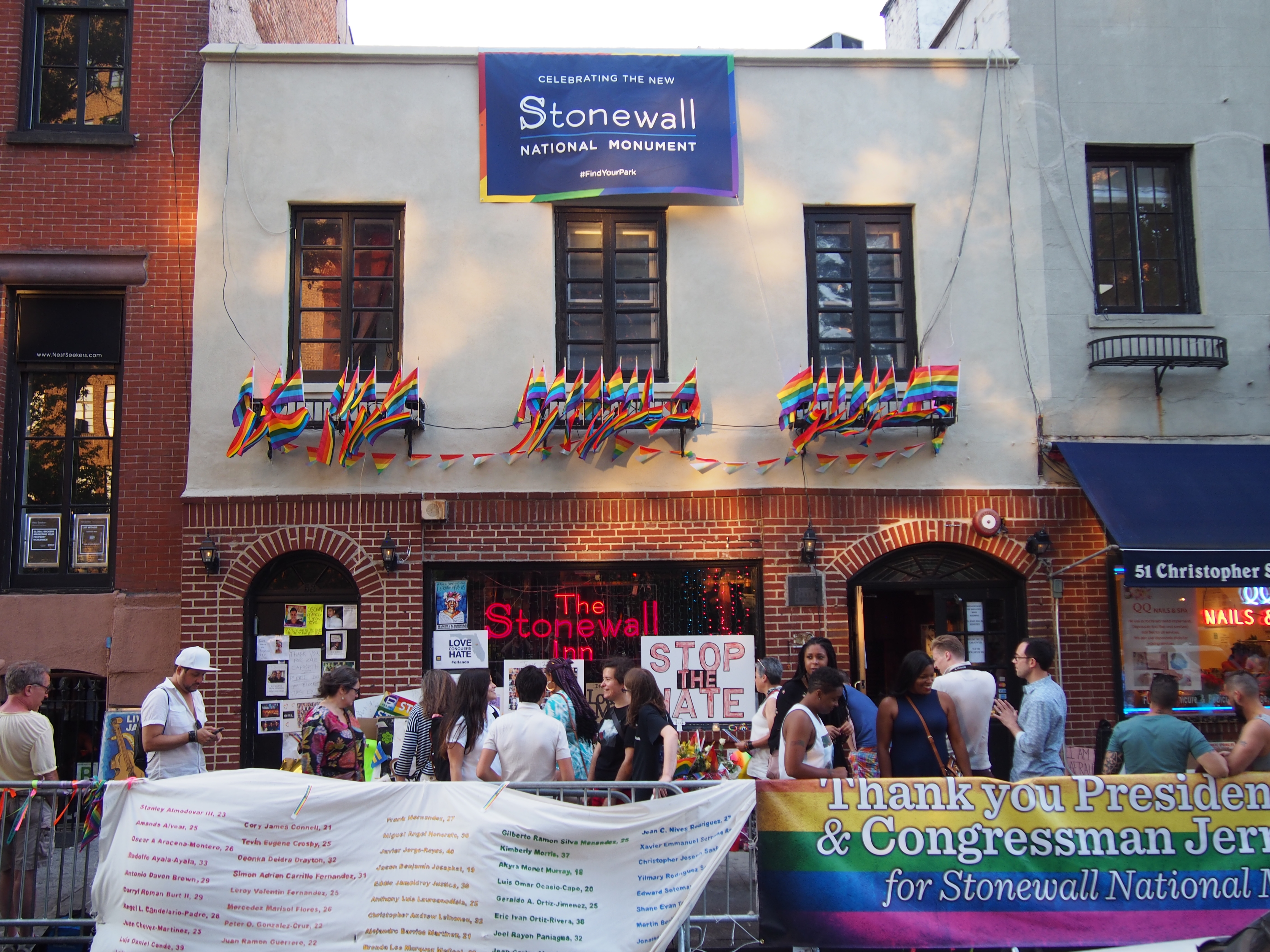
The architects of the LGBTQ future are a diverse coalition of activists, legal scholars, artists, and everyday individuals. Key figures include Marsha P. Johnson and Sylvia Rivera, pioneering transgender activists and founders of STAR (Street Transvestite Action Revolutionaries), whose work at the forefront of the Stonewall Uprising laid groundwork for future liberation. Audre Lorde, a self-described "black, lesbian, mother, warrior, poet," profoundly influenced queer feminist thought with her writings on intersectionality and identity. In the legal arena, figures like Edith Windsor became instrumental in challenging discriminatory laws, leading to the landmark United States v. Windsor Supreme Court case that struck down the Defense of Marriage Act. Organizations such as ILGA World (International Lesbian, Gay, Bisexual, Trans and Intersex Association) operate globally, advocating for policy changes and human rights protections. In the realm of culture, artists like Kevin Abstract and Hayley Kiyoko have brought queer narratives to mainstream music, while writers like Ocean Vuong explore complex themes of identity and belonging. The ongoing work of Transgender Law Center and The Trevor Project addresses critical needs for legal defense and mental health support, respectively.
🌍 Cultural Impact & Influence
The influence of LGBTQ culture on the broader global landscape is undeniable, extending far beyond the community itself. Queer aesthetics have consistently pushed boundaries in fashion, art, and design, often challenging traditional norms of gender presentation and beauty. The concept of 'pride,' originating from LGBTQ rights movements, has become a widely adopted framework for various marginalized groups seeking to assert their identity and demand recognition. LGBTQ narratives in film and television, from early groundbreaking works like Paris Is Burning to contemporary series like Pose and Heartstopper, have not only provided representation but also educated wider audiences about diverse experiences, fostering empathy and understanding. The language and slang originating within LGBTQ communities have also permeated mainstream vernacular. Furthermore, the persistent advocacy for LGBTQ rights has served as a model for other social justice movements, demonstrating effective strategies for legal reform, public awareness campaigns, and community building. The ongoing evolution of gender and sexuality discourse, largely driven by LGBTQ individuals and allies, is fundamentally reshaping societal understandings of identity and relationships, impacting everything from family law to educational curricula.
⚡ Current State & Latest Developments
The current state of the LGBTQ future is characterized by both significant advancements and alarming regressions. While marriage equality is recognized in many Western nations, there's a palpable rise in anti-LGBTQ legislation and rhetoric in numerous countries, particularly targeting transgender individuals. For instance, the US saw over 500 anti-LGBTQ bills introduced in state legislatures in 2023, with many focusing on restricting gender-affirming care, banning transgender athletes, and limiting discussions of LGBTQ topics in schools. Globally, countries like Uganda have enacted extreme anti-homosexuality laws, signaling a dangerous trend. Simultaneously, there's a surge in queer visibility and cultural production, with LGBTQ artists and creators achieving unprecedented mainstream success. The digital space continues to be a vital hub for community building and activism, though it also presents challenges related to online harassment and misinformation. Healthcare access remains a
Key Facts
- Category
- movements
- Type
- topic