
Contents
Overview
The evolution of telehealth apps traces back to early experiments in the 1960s, such as the NASA STARPAHC project, which provided remote medical care to astronauts and later to the Papago Indian Reservation. The launch of the Apple App Store in 2008 catalyzed a shift from desktop-based portals to mobile-first interfaces, enabling companies like Amwell to offer 24/7 physician access. Specialized platforms like BetterHelp began targeting the mental health sector, a crucial development for microschool founders looking to support student emotional regulation. The 2020 global pandemic acted as a forced proof-of-concept, accelerating the adoption of these tools by nearly a decade in just a few months.
⚙️ How It Works
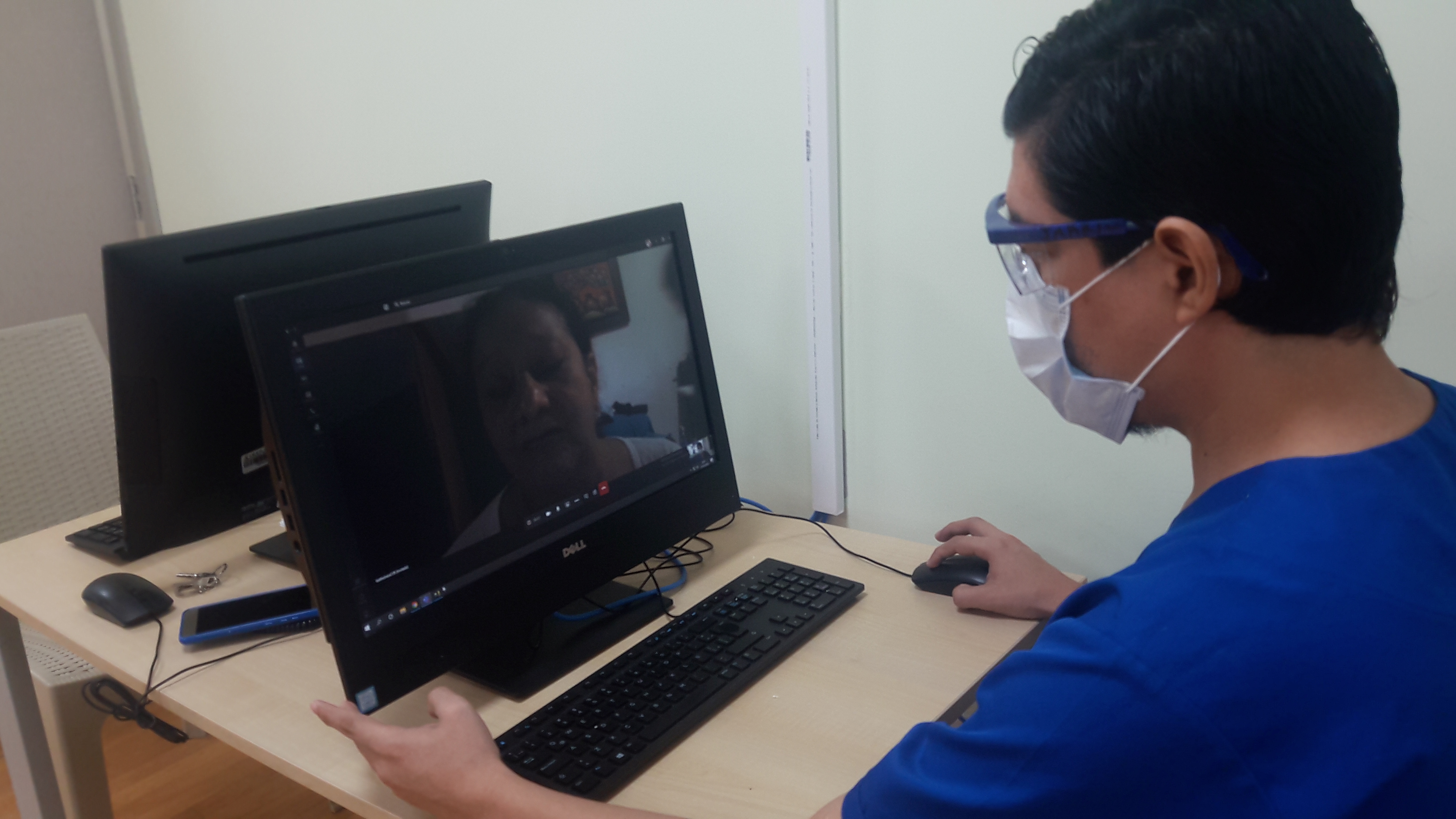
Telehealth apps function through a multi-layered architecture that prioritizes data security and real-time synchronization. At the core is a HIPAA-compliant video engine, often built on top of APIs like Twilio or Zoom Video, which ensures encrypted end-to-end communication. These apps integrate with Electronic Health Records (EHR) to provide practitioners with immediate access to a student's medical history and immunization status. Many platforms now utilize Remote Patient Monitoring (RPM) features, pulling data from devices like Apple Watch or Fitbit to track physiological markers. For a microschool administrator, the interface usually includes a dashboard for managing parental consent forms and scheduling recurring therapy sessions for students with ADHD or other learning differences.
📊 Key Facts & Numbers
Zocdoc facilitates millions of appointments annually. Research indicates that virtual mental health visits can reduce student absenteeism by up to 25% in high-pressure academic environments. Furthermore, the cost of a virtual urgent care visit averages $40 to $50, compared to over $150 for an in-person office visit, making it a highly efficient solution for microschool budget planning.
👥 Key People & Organizations
Key players in the space include Jason Vanderground of Headspace and the founders of Talkspace, Oren and Roni Frank, who democratized access to therapy. In the pediatric and school-focused niche, Hazel Health has emerged as a leader, partnering with over 3,000 schools to provide on-demand physical and mental healthcare. Organizations like the American Telemedicine Association (ATA) lobby for policy changes that allow for cross-state licensing, which is vital for digital nomad families enrolled in virtual microschools. Tech giants like Amazon have also entered the fray with Amazon Clinic, signaling a move toward the commoditization of basic medical consultations.
🌍 Cultural Impact & Influence
Telehealth apps have fundamentally altered the 'sick day' culture within modern education, moving the needle toward proactive wellness rather than reactive treatment. By removing the friction of travel and waiting rooms, these apps have normalized seeking mental health support among younger generations, particularly Gen Z and Gen Alpha. In the microschool ecosystem, this has led to the rise of 'wellness-first' curriculums where therapy is integrated into the school day via tablet computers. The cultural shift is also visible in the rise of biohacking and self-quantification, as students learn to interpret their own health data through app interfaces. This democratization of medical knowledge challenges the traditional paternalistic model of healthcare, empowering families to take more direct control over their children's development.
⚡ Current State & Latest Developments
New features in apps like Babylon Health use AI chatbots to assess symptoms before a human doctor is even involved, a process that can significantly speed up care for minor school-day injuries. Regulatory updates in 2023 and 2024 have also addressed the 'telehealth cliff,' ensuring that many pandemic-era reimbursements remain permanent under Medicare and private insurance. We are also seeing a surge in 'niche-health' apps specifically designed for neurodiverse students, offering specialized support for autism and sensory processing disorders. These developments are making it easier for microschool operators to provide inclusive environments for all learners.
🤔 Controversies & Debates
The primary debate surrounding telehealth apps involves the 'digital divide' and whether these tools exacerbate inequalities for students without high-speed internet or private spaces. Critics also argue that virtual visits lack the 'human touch' and physical diagnostic capabilities of in-person exams, potentially missing subtle cues in a child's physical development. There are significant concerns regarding data privacy, especially after the FTC took action against several mental health apps for sharing sensitive user data with advertisers. Furthermore, the debate over cross-state licensing remains a legal bottleneck, as a doctor in one state may not be legally allowed to treat a student in another, complicating the model for global microschools. Proponents, however, argue that the increased access and lower costs far outweigh these logistical hurdles.
🔮 Future Outlook & Predictions
The future of telehealth apps lies in the integration of Augmented Reality (AR) and high-fidelity biosensors that allow for remote physical exams. By 2028, it is expected that 5G-enabled medical devices will allow doctors to perform remote auscultation (listening to heart/lungs) with the same precision as an in-person visit. We will likely see the rise of 'Health-as-a-Service' (HaaS) subscriptions tailored specifically for microschool networks, providing a flat-rate medical safety net for small cohorts. Blockchain technology may also be implemented to give parents total sovereignty over their children's medical records, allowing for seamless data transfer between different educational and medical providers. The ultimate goal is a 'borderless' healthcare system that follows the student, regardless of their physical learning location.
💡 Practical Applications
In a practical sense, microschool leaders use telehealth apps to manage everything from daily COVID-19 screenings to long-term speech therapy. For example, a school might use PresenceLearning to provide specialized special education services that would be too expensive to hire for a small group. Parents use these apps to upload required physical exam forms directly to the school's Student Information System (SIS), reducing paperwork. During the school day, if a student feels unwell, a facilitator can initiate a quick video call with a nurse via an app like TytoCare, which includes hardware for checking ears and throats. This immediate access keeps healthy students in the classroom and ensures sick students get home faster, maintaining the integrity of the learning pod.
Key Facts
- Category
- technology
- Type
- topic