
Contents
Overview
The genesis of the United States Capitol dates back to the late 18th century, a period of nascent nation-building. Following the Residence Act of 1790, which designated a permanent capital along the Potomac River, a design competition was launched, ultimately won by William Thornton, an amateur architect, whose neoclassical vision was chosen over submissions from established figures like Stephen Hallet and George Hadfield. Early work was overseen by a series of superintendents, including David Stewart and Thomas Tullock Sr., grappling with limited funds and skilled labor. The structure suffered damage during the War of 1812 when British forces set fire to it in 1814, necessitating extensive repairs and a rebuilding effort led by architect Charles Bulfinch, who also designed the iconic central dome.
⚙️ Architectural Design & Construction
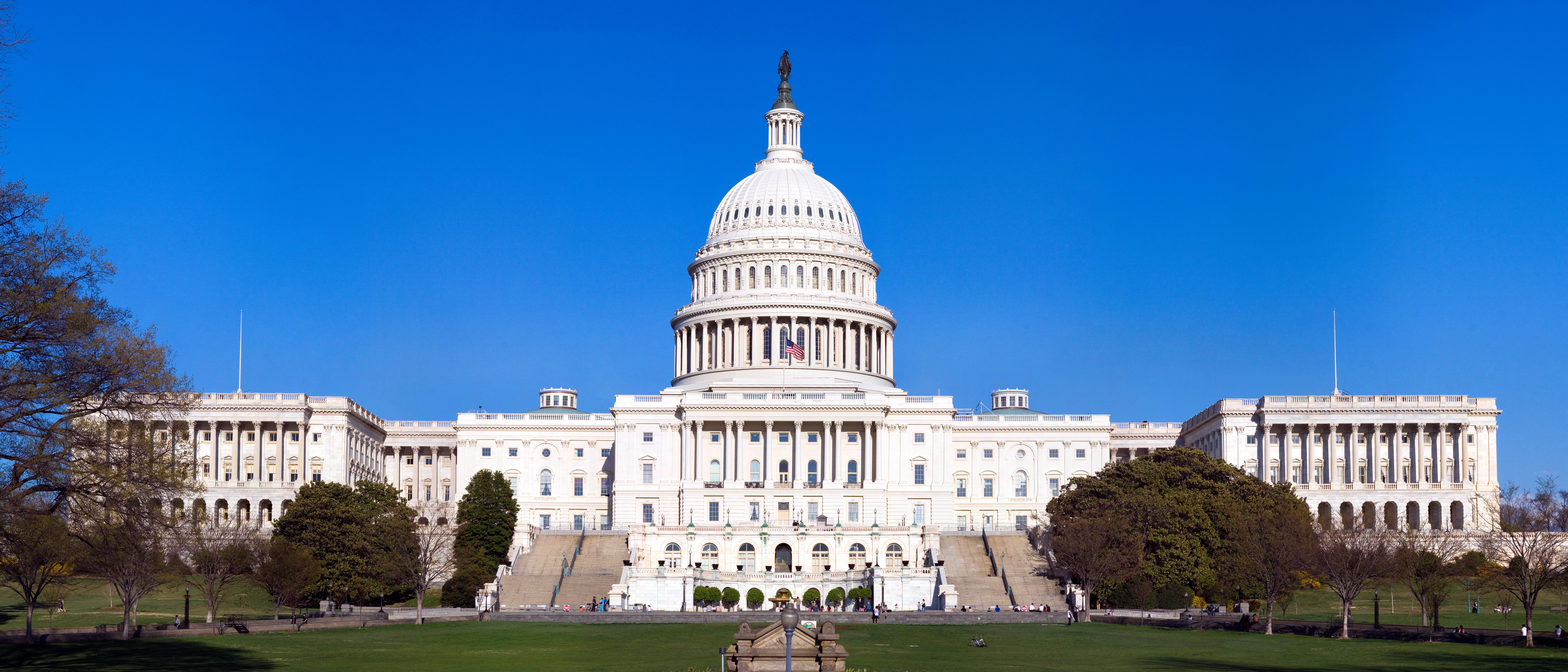
The United States Capitol is a masterpiece of neoclassical architecture, drawing heavily from classical Greek and Roman precedents. Its design emphasizes symmetry, grandeur, and civic virtue, intended to evoke the democratic ideals of ancient republics. The building's original plan featured a central rotunda flanked by wings for the House of Representatives and the Senate. The iconic cast-iron dome stands as a powerful symbol, reportedly inspired by the dome of St. Peter's Basilica in Rome and the Hôtel des Invalides in Paris. Its exterior is clad in white Aquia Creek sandstone, contributing to its stately appearance. Inside, the Capitol boasts ornate interiors, including the Rotunda, adorned with Constantino Brumidi's fresco, 'The Apotheosis of Washington,' and the National Statuary Hall, a former chamber of the House of Representatives now housing statues of prominent Americans.
📊 Key Facts & Figures
The United States Capitol is intrinsically linked to the functioning of the American government and the individuals who have shaped its history. The legislative branch, comprising the House of Representatives and the Senate, convenes within its walls. Key figures in its architectural development include William Thornton, the original designer, and Charles Bulfinch and Thomas U. Walter, who oversaw critical phases of construction and the dome's completion. Presidents like George Washington and John Adams were instrumental in its inception and early occupancy. The Congressional Budget Office and various congressional committees operate within the broader Capitol Complex, supporting the legislative process.
👥 Key Figures & Institutions
Beyond its physical structure, the United States Capitol stands as a potent symbol of American democracy, freedom, and the rule of law. Its neoclassical design intentionally echoes the democratic ideals of ancient Greece and Rome, projecting an image of enduring republican values. The dome, visible from miles around, has become an internationally recognized icon of the United States. The building has been the backdrop for countless historic moments, from presidential inaugurations and State of the Union addresses to protests and celebrations, embedding it deeply within the American cultural consciousness. It represents the aspirations and the ongoing experiment of self-governance, serving as a constant reminder of the principles upon which the nation was founded, as articulated in the U.S. Constitution. The art and statuary within its halls further reinforce narratives of national identity and historical achievement.
🌍 Symbolism & Cultural Resonance
Today, the United States Capitol remains the vibrant center of American legislative activity. The House of Representatives and the Senate convene here for regular sessions, debating and voting on legislation that impacts the nation and the world. The building hosts crucial governmental functions, including joint sessions of Congress for the State of the Union address and the certification of presidential election results. Ongoing maintenance, preservation, and occasional renovations are critical to maintaining the structural integrity and historical significance of this vital national landmark. The Office of the Architect of the Capitol plays a continuous role in its upkeep and modernization.
⚡ Current Role & Operations
The United States Capitol has been the site of significant controversies and debates throughout its history. Its very construction involved enslaved laborers, a fact that complicates its narrative of freedom and democracy. The building's expansion and modifications have sometimes been contentious, reflecting differing political priorities and architectural visions. Security concerns have escalated, particularly following events like the January 6th attack in 2021, which led to heightened security measures and ongoing debates about access and protection. Debates also arise regarding the selection and display of art and statuary within the Capitol, often reflecting evolving societal values and historical interpretations. The allocation of resources for its preservation versus other national needs is another recurring point of discussion among policymakers and the public.
🤔 Controversies & Debates
The future of the United States Capitol involves a continuous balancing act between preservation and adaptation. The Office of the Architect of the Capitol faces the ongoing challenge of maintaining a historic structure that is also a fully functional, modern legislative workplace. Climate change poses potential long-term threats to the building's materials and surrounding infrastructure, necessitating proactive adaptation strategies. Debates about security protocols are likely to continue, shaping how the public interacts with the building. Furthermore, as the nation evolves, so too will the discussions about the narratives represented within the Capitol's art and monuments, potentially leading to further reinterpretations or additions to its historical displays. The building's role as a symbol of democracy will undoubtedly be tested and reaffirmed by future political and social developments.
Key Facts
- Category
- place
- Type
- topic