
Contents
Overview
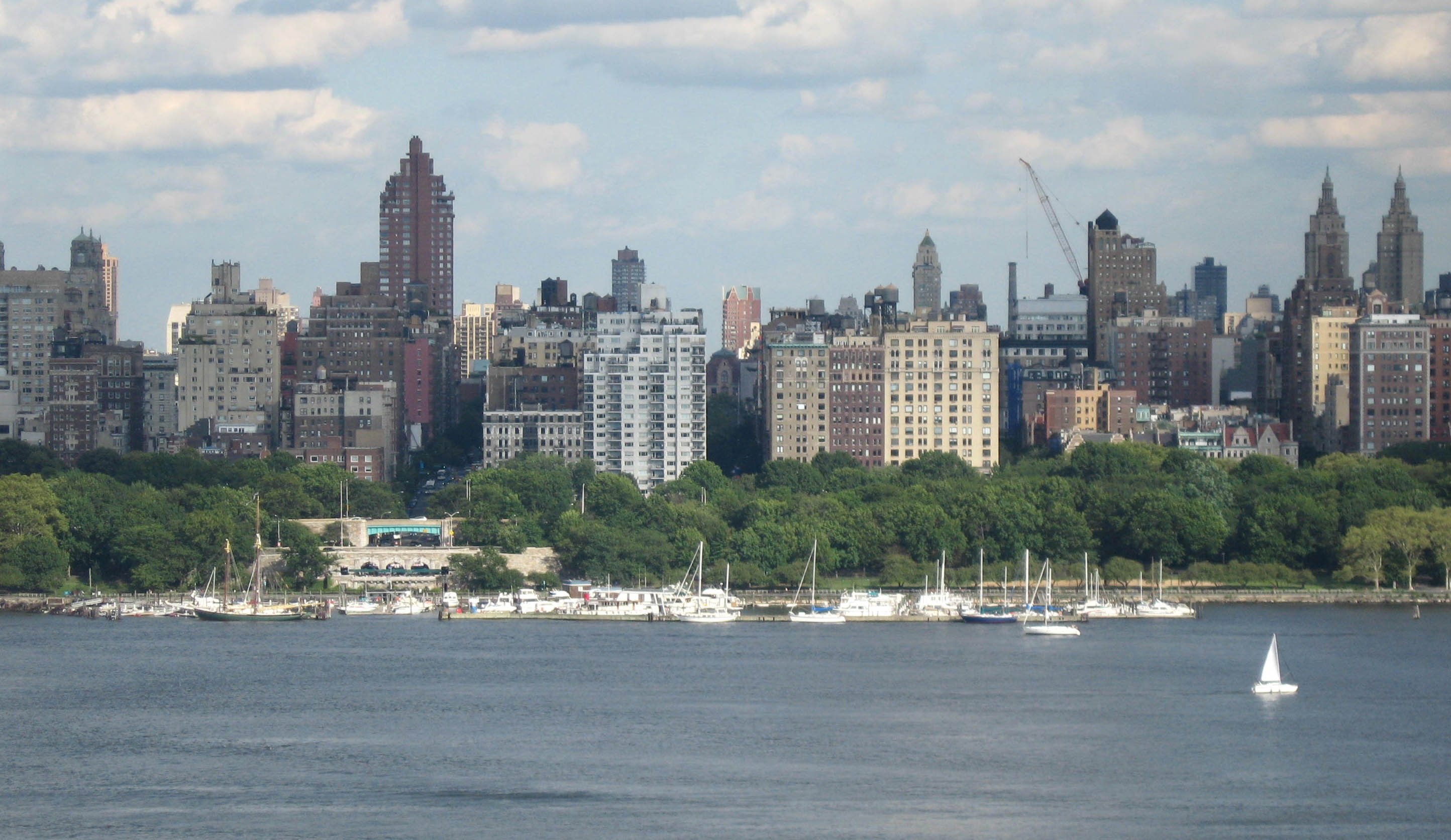
The concept of a public marina at 79th Street began to take shape in the mid-20th century, aiming to integrate the city's relationship with its waterways more directly into its public park system. The basin was conceived as a way to offer a novel living experience within the dense urban environment of Manhattan. Its establishment was part of a broader vision for Riverside Park's development, which sought to balance recreational spaces with unique amenities. Over the decades, it evolved into a distinctive enclave, attracting a specific demographic of residents who embraced a life afloat. The facility's design and operation were overseen by the NYC Parks Department, ensuring its integration with the city's public infrastructure.
⚙️ How It Works
The 79th Street Boat Basin operates as a full-service marina, providing mooring for vessels intended as residences. Its defining feature is the allowance for year-round occupancy, a rarity in New York City, which necessitates robust infrastructure to handle seasonal changes. This includes provisions for utilities like electricity and water, as well as waste management systems designed for continuous operation. The basin's layout accommodates a range of boat sizes, with docks and slips engineered to support the weight and demands of houseboats. Residents typically navigate a set of rules and regulations established by NYC Parks, governing everything from vessel maintenance to community conduct, ensuring the basin functions as a cohesive residential community.
📊 Key Facts & Numbers
The 79th Street Boat Basin has historically housed approximately 40 to 50 boats, with residents often staying for extended periods, making it a unique facility in New York City offering year-round houseboat residency. The basin's operational budget is managed by the NYC Parks Department, which collects docking fees from residents. These fees contribute to the maintenance and upkeep of the marina's infrastructure. The basin's location at coordinates 40.786111111111° N, 73.985277777778° W places it strategically along the Hudson River, a vital artery for maritime activity in the region. The facility is part of the larger Riverside Park complex, which spans approximately 4 miles along Manhattan's west side.
👥 Key People & Organizations
The NYC Parks Department is the primary governing body responsible for the operation and maintenance of the 79th Street Boat Basin. Key figures within the department, such as commissioners and park administrators, have historically overseen its management and development. While specific resident leaders or community organizations have emerged organically over time to represent the interests of the houseboat dwellers, the official stewardship rests with the city agency. The basin's design and any major renovations are often influenced by urban planners and architectural firms contracted by the city, such as those involved in the recent rebuilding efforts.
🌍 Cultural Impact & Influence
The 79th Street Boat Basin has carved out a unique cultural niche, representing an alternative, often bohemian, lifestyle within one of the world's most expensive cities. It has been featured in various media, including documentaries and news reports, highlighting the distinct community that thrives there. The basin offers a visual contrast to the surrounding high-rise buildings of the Upper West Side, symbolizing a different relationship with the urban environment and the Hudson River. For its residents, it represents a commitment to a maritime existence, a connection to nature amidst the concrete jungle, and a form of affordable housing, albeit with its own set of challenges.
⚡ Current State & Latest Developments
As of July 2024, the 79th Street Boat Basin remains closed for a significant rebuilding project that commenced in 2021. This closure has temporarily displaced its residents and halted the basin's unique year-round residential function. The rebuilding initiative aims to modernize the marina's infrastructure, potentially addressing long-standing issues related to aging docks and utilities. The duration and scope of this reconstruction have been subjects of considerable discussion and concern among former residents and urban planning observers, with the full reopening timeline remaining uncertain.
🤔 Controversies & Debates
A central controversy surrounding the 79th Street Boat Basin has revolved around the long-term viability and cost of maintaining the aging infrastructure, which led to the current extensive rebuilding project. Concerns have also been raised regarding the affordability and accessibility of houseboat living in New York City, even within the basin, especially as property values in Manhattan continue to soar. The displacement of residents due to the closure has sparked debate about the city's commitment to preserving unique urban living arrangements and the potential impact of redevelopment on established communities. Questions persist about whether the rebuilt basin will continue to offer the same character and affordability that attracted residents in the first place.
🔮 Future Outlook & Predictions
The future of the 79th Street Boat Basin hinges on the successful completion of its rebuilding project and the subsequent operational decisions made by NYC Parks Department. Projections suggest that the renovated basin will feature modernized docks, improved utility systems, and potentially enhanced amenities. However, the extent to which it will continue to serve as a year-round residential community, and at what cost, remains a key question. Urban planners and housing advocates will be watching to see if the rebuilt basin can balance modern infrastructure with the preservation of its distinctive, community-focused maritime lifestyle, potentially serving as a model for other waterfront urban developments.
💡 Practical Applications
The primary practical application of the 79th Street Boat Basin is as a residential marina, offering a unique form of housing in New York City. Beyond its residential function, it serves as a recreational amenity within Riverside Park, providing access to the Hudson River for boaters. It also functions as a case study in urban waterfront development and the management of specialized public facilities. The basin's infrastructure, when operational, supports a small but distinct community, contributing to the diverse social fabric of Manhattan. Its role as a year-round facility also presents practical challenges and solutions related to cold-weather maritime living.
Key Facts
- Category
- places
- Type
- place