
Contents
- 🌊 Introduction to Hudson River
- 📍 Location & Access
- 🌴 Geography and Flow
- 🏞️ Borders and Boundaries
- 🌊 Tidal Estuary and Fjord
- 🚣♀️ Navigation and Recreation
- 📊 Comparison with Other Rivers
- 👥 Practical Tips for Visitors
- 📸 Conclusion and Getting Started
- 🤔 FAQs and Further Reading
- Frequently Asked Questions
- Related Topics
Overview
The Hudson River is a 315-mile river that flows from Lake Tear of the Clouds in the Adirondack Mountains to New York Harbor, forming the border between New York and New Jersey. With a Vibe score of 82, the Hudson River has been a significant cultural and economic hub, supporting various industries such as shipping, tourism, and agriculture. However, it has also faced environmental challenges, including pollution and climate change, which have sparked controversy and debate among stakeholders. The river's influence flows through the works of notable artists and writers, such as Thomas Cole and Washington Irving, who have been inspired by its beauty and majesty. As a popular destination for outdoor recreation, the Hudson River Valley is home to numerous parks, trails, and historic sites, attracting millions of visitors each year. With its complex history, cultural significance, and ongoing environmental concerns, the Hudson River remains a vital and dynamic entity in the region, with a topic intelligence that includes key people, events, and ideas that have shaped its development over time.
🌊 Introduction to Hudson River
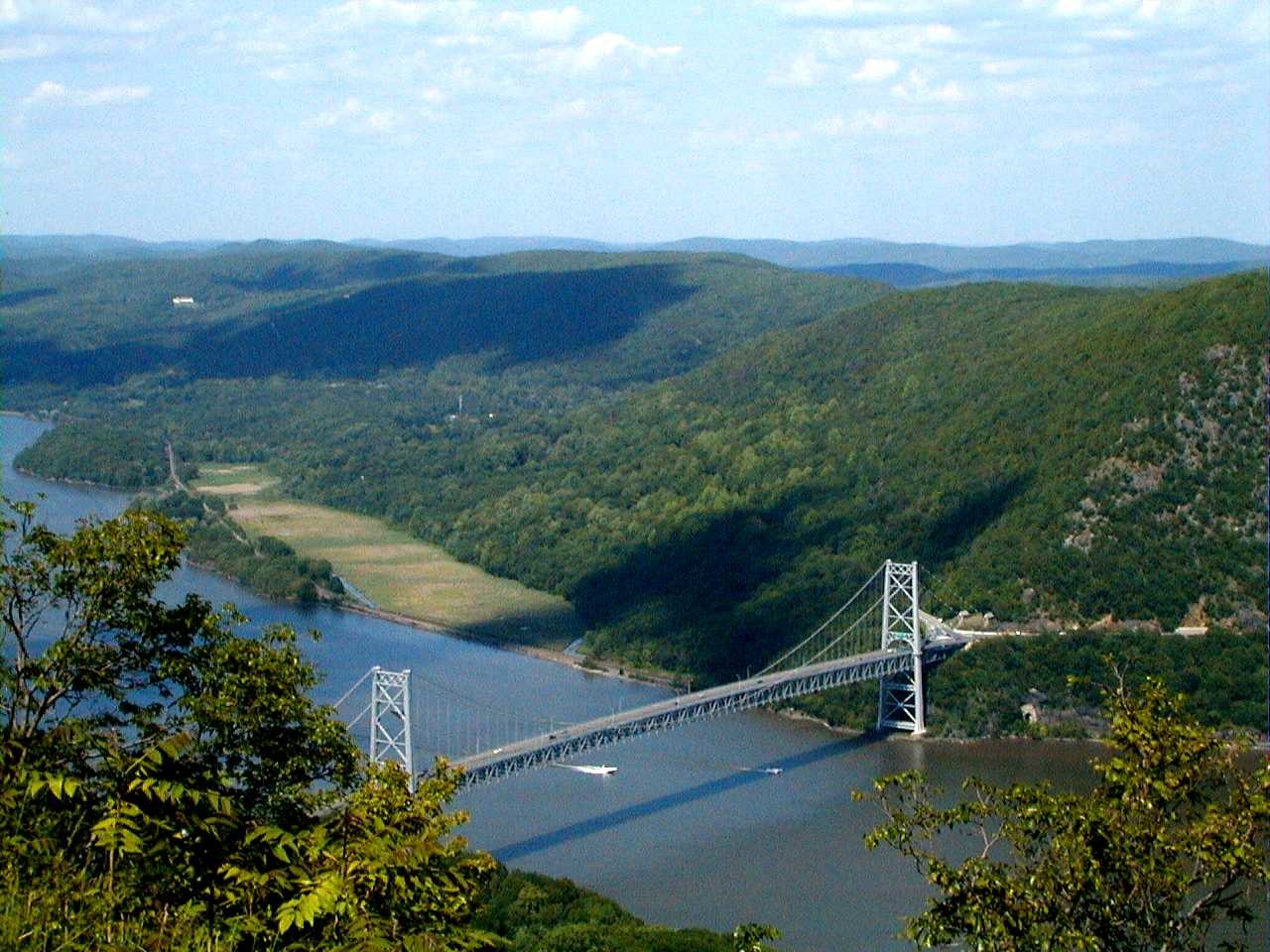
The Hudson River is a 315-mile (507 km) river that flows from north to south largely through eastern New York state, originating in the Adirondack Mountains at Henderson Lake in the town of Newcomb. It flows south to New York Bay, a tidal estuary between New York City and Jersey City, before draining into the Atlantic Ocean. As a significant geographical feature, the Hudson River plays a crucial role in shaping the landscape of eastern New York. For more information on the region, visit the New York State tourism website.
📍 Location & Access
The Hudson River is located in eastern New York state, with its source in the Adirondack Mountains and its mouth in New York Bay. The river flows through several counties, including Essex County and Albany County, and marks the eastern border between the U.S. states of New York and New Jersey. Visitors can access the river at various points, including the city of Troy and the town of Cold Spring. For a list of access points, visit the Hudson River Valley website.
🌴 Geography and Flow
The Hudson River is characterized by its unique geography and flow. The lower half of the river is a tidal estuary, deeper than the body of water into which it flows, occupying the Hudson Fjord, an inlet that was carved out by North American glaciers. Even as far north as the city of Troy, the flow of the river changes direction with the tides. This phenomenon is known as a tidal estuary, and it supports a diverse range of marine life. To learn more about the river's ecosystem, visit the Hudson River Ecosystem page.
🏞️ Borders and Boundaries
The Hudson River marks out the eastern border between the U.S. states of New York and New Jersey, as well as many upstate New York county borders. The river flows through several counties, including Essex County and Albany County, and plays a significant role in shaping the region's landscape. For a map of the river's borders, visit the New York State Geography website. The river also supports a range of economic activities, including shipping and tourism, which are discussed on the Hudson River Economy page.
🌊 Tidal Estuary and Fjord
The lower half of the Hudson River is a tidal estuary, which is deeper than the body of water into which it flows. This unique feature is known as the Hudson Fjord, an inlet that was carved out by North American glaciers. The fjord is characterized by its steep sides and deep waters, and it supports a diverse range of marine life. To learn more about the fjord's geology, visit the Hudson Fjord Geology page. The fjord is also an important habitat for several species of fish, including the Striped Bass and the American Shad.
📊 Comparison with Other Rivers
The Hudson River is often compared to other rivers in the region, such as the Mohawk River and the Delaware River. However, the Hudson River is unique in its geography and flow, with its tidal estuary and fjord making it a distinctive feature of the region. For a comparison of the river's characteristics, visit the Hudson River Comparison page. The river's ecosystem is also distinct, with a range of plant and animal species that are found nowhere else in the region. To learn more about the river's ecosystem, visit the Hudson River Ecosystem page.
👥 Practical Tips for Visitors
Visitors to the Hudson River can take several practical steps to enjoy their trip. First, they should check the river's water levels and flow rates, which can be found on the Hudson River Water Levels website. They should also be aware of the river's tidal patterns, which can affect navigation and recreation. For a guide to the river's tides, visit the Hudson River Tides page. Additionally, visitors should respect the river's ecosystem and wildlife, and follow all local regulations and guidelines. To learn more about the river's conservation efforts, visit the Hudson River Conservation page.
📸 Conclusion and Getting Started
In conclusion, the Hudson River is a unique and fascinating geographical feature that plays a significant role in shaping the landscape of eastern New York. Visitors can enjoy a range of recreational activities, including kayaking, fishing, and boating, and can access the river at various points, including the city of Troy and the town of Cold Spring. To get started, visitors can visit the Hudson River Valley website, which provides information on access points, recreational activities, and conservation efforts. For more information on the region, visit the New York State tourism website.
🤔 FAQs and Further Reading
For further reading and FAQs, visitors can check the Hudson River FAQ page, which provides answers to common questions about the river's geography, flow, and ecosystem. Visitors can also visit the Hudson River Blog, which features articles and updates on the river's conservation efforts and recreational activities. To learn more about the river's history, visit the Hudson River History page.
Key Facts
- Year
- 1609
- Origin
- Adirondack Mountains, New York
- Category
- Geography
- Type
- River
Frequently Asked Questions
What is the length of the Hudson River?
The Hudson River is approximately 315 miles (507 km) long, flowing from north to south largely through eastern New York state. For more information on the river's geography, visit the Hudson River Geography page.
Where is the source of the Hudson River?
The source of the Hudson River is located in the Adirondack Mountains at Henderson Lake in the town of Newcomb. For a map of the river's source, visit the Hudson River Source page.
What is the Hudson Fjord?
The Hudson Fjord is a tidal estuary that was carved out by North American glaciers, and is characterized by its steep sides and deep waters. For more information on the fjord's geology, visit the Hudson Fjord Geology page.
What recreational activities are available on the Hudson River?
Visitors to the Hudson River can enjoy a range of recreational activities, including kayaking, fishing, and boating. For a list of recreational activities, visit the Hudson River Recreation website.
How can I access the Hudson River?
The Hudson River can be accessed at various points, including the city of Troy and the town of Cold Spring. For a list of access points, visit the Hudson River Access page.
What is the significance of the Hudson River?
The Hudson River plays a significant role in shaping the landscape of eastern New York, and supports a diverse range of marine life. For more information on the river's ecosystem, visit the Hudson River Ecosystem page.
How can I learn more about the Hudson River?
Visitors can learn more about the Hudson River by visiting the Hudson River Valley website, which provides information on access points, recreational activities, and conservation efforts. For more information on the region, visit the New York State tourism website.