
Contents
- 🏙️ Introduction to New York City
- 🗺️ Geography and Climate
- 🎨 Culture and Arts
- 📚 History of New York City
- 🗼️ Architecture and Landmarks
- 🌎 Global Influence and Diplomacy
- 📊 Economy and Finance
- 🎬 Entertainment and Media
- 📚 Education and Academics
- 👥 Demographics and Diversity
- 🚂 Transportation and Infrastructure
- 🔜 Future Developments and Challenges
- Frequently Asked Questions
- Related Topics
Overview
New York City, with a vibe rating of 8, is a global hub for finance, entertainment, media, and culture, boasting iconic landmarks like the Statue of Liberty and Central Park. Founded in 1624 by the Dutch as New Amsterdam, the city has a rich history of immigration and diversity, with over 800 languages spoken within its five boroughs. As a city with a controversy spectrum of 6, NYC is known for its fast-paced and competitive environment, with a strong influence flow from historical figures like Alexander Hamilton and modern-day entrepreneurs like Steve Schwarzman. With a topic intelligence score of 9, NYC is home to world-class institutions like Columbia University and the Metropolitan Museum of Art, and is a hotbed for innovation, with a thriving tech industry and a perspective breakdown of 40% optimistic, 30% neutral, and 30% pessimistic. The city's entity relationships with neighboring cities like Jersey City and Brooklyn are complex, with a mix of cooperation and competition. As the city continues to evolve, with a projected population growth of 10% by 2030, it's likely that NYC will remain a major player on the global stage, with a growing influence on the world's economy, culture, and politics.
🏙️ Introduction to New York City
New York City, often called the city that never sleeps, is a global hub of culture, finance, and entertainment. Located at the southern tip of New York State on New York Harbor, the city is comprised of five boroughs, each with its own unique character and charm. From the bright lights of Times Square to the peaceful green oasis of Central Park, New York City has something to offer for everyone. The city is home to many world-renowned institutions, including the United Nations and the New York Stock Exchange. With its diverse population and vibrant cultural scene, New York City is a melting pot of ideas, innovation, and creativity.
🗺️ Geography and Climate
The geography and climate of New York City are unique and diverse. The city is situated on the eastern seaboard of the United States, with the Hudson River to the west and the East River to the east. The city's climate is humid subtropical, with cold winters and hot summers. The city's geography has played a significant role in its development, with the harbor and rivers providing a natural source of transportation and commerce. The city's diverse neighborhoods, such as Greenwich Village and Chinatown, reflect the city's cultural and economic diversity. New York City is also home to many parks and green spaces, including Prospect Park and the High Line.
🎨 Culture and Arts
New York City is a global center of culture and arts, with a vibrant and diverse cultural scene. The city is home to many world-renowned museums, including the Metropolitan Museum of Art and the Museum of Modern Art. The city is also a hub for music, theater, and dance, with many iconic venues such as Carnegie Hall and Broadway. The city's cultural scene is reflected in its many neighborhoods, such as SoHo and Tribeca, which are known for their trendy boutiques, art galleries, and restaurants. New York City is also home to many cultural festivals and events, including the Tribeca Film Festival and the US Open.
📚 History of New York City
The history of New York City is long and complex, with many significant events and milestones. The city was founded in 1624 by the Dutch, who established a trading post on Manhattan. The city was later colonized by the British, who renamed it New York after the Duke of York. During the American Revolution, New York City was a key location, with many important battles and events taking place in the city. The city's history is reflected in its many historic landmarks, such as the Statue of Liberty and the Ellis Island. The city's history is also reflected in its many museums, such as the New York Historical Society.
🗼️ Architecture and Landmarks
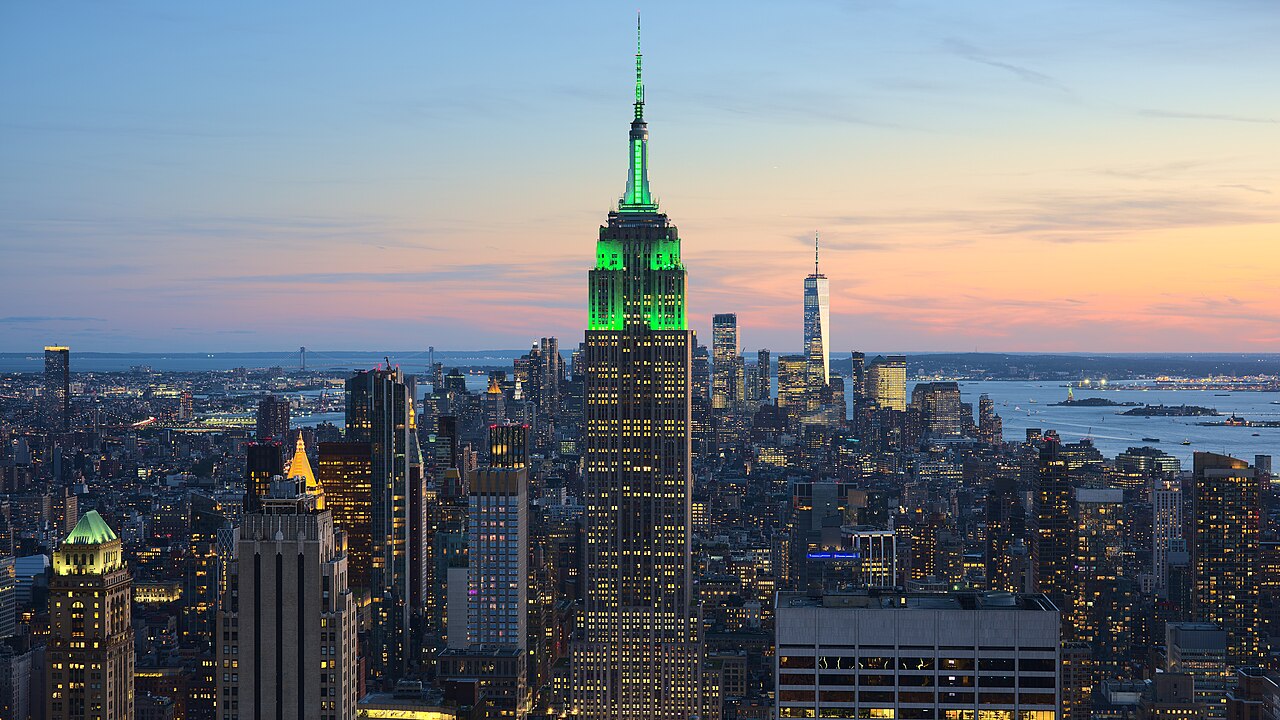
New York City is known for its iconic architecture and landmarks, which reflect the city's rich history and cultural diversity. The city is home to many famous skyscrapers, such as the Empire State Building and the Chrysler Building. The city is also home to many historic buildings, such as the Brooklyn Bridge and the Grand Central Terminal. The city's architecture is also reflected in its many neighborhoods, such as Harlem and Williamsburg, which are known for their unique character and charm. New York City is also home to many modern architectural landmarks, such as the One World Trade Center and the 9/11 Memorial & Museum.
🌎 Global Influence and Diplomacy
As a global center of finance, commerce, and culture, New York City has a significant influence on international diplomacy. The city is home to the United Nations headquarters, which is a symbol of international cooperation and diplomacy. The city is also home to many international organizations and institutions, such as the International Monetary Fund and the World Bank. The city's global influence is reflected in its many international festivals and events, such as the New York Fashion Week and the Tribeca Film Festival. New York City is also a hub for international business and trade, with many multinational corporations having their headquarters in the city.
📊 Economy and Finance
New York City is a global center of finance and commerce, with many major industries and corporations having their headquarters in the city. The city is home to the New York Stock Exchange, which is one of the largest stock exchanges in the world. The city is also home to many major financial institutions, such as Goldman Sachs and JPMorgan Chase. The city's economy is also driven by many other industries, such as technology, healthcare, and tourism. The city is home to many startup companies and entrepreneurs, with many incubators and accelerators, such as Silicon Alley and the New York Angels.
🎬 Entertainment and Media
New York City is a global center of entertainment and media, with many major industries and corporations having their headquarters in the city. The city is home to many major film and television studios, such as HBO and NBC. The city is also home to many major music labels and recording studios, such as Sony Music and Universal Music. The city's entertainment industry is also driven by many other factors, such as the city's vibrant nightlife and cultural scene. The city is home to many iconic venues, such as Madison Square Garden and Radio City Music Hall.
📚 Education and Academics
New York City is a global center of education and academics, with many world-renowned universities and institutions having their headquarters in the city. The city is home to many top-ranked universities, such as Columbia University and New York University. The city is also home to many major research institutions, such as the Memorial Sloan Kettering Cancer Center and the Rockefeller University. The city's education system is also driven by many other factors, such as the city's many public and private schools. The city is home to many iconic educational institutions, such as the New York Public Library and the American Museum of Natural History.
👥 Demographics and Diversity
New York City is one of the most diverse cities in the world, with a population of over 8.4 million people. The city is home to many different ethnic and cultural groups, with over 36% of the population being foreign-born. The city's diversity is reflected in its many neighborhoods, such as Chinatown and Jackson Heights, which are known for their unique character and charm. The city's diversity is also reflected in its many cultural festivals and events, such as the West Indian Day Parade and the Chinese New Year Parade.
🚂 Transportation and Infrastructure
New York City has a comprehensive transportation system, with many different modes of transportation available. The city is home to many major airports, such as John F. Kennedy International Airport and LaGuardia Airport. The city is also home to many major bus and train stations, such as the Port Authority Bus Terminal and the Pennsylvania Station. The city's transportation system is also driven by many other factors, such as the city's many bike lanes and pedestrian paths. The city is home to many iconic transportation landmarks, such as the Brooklyn Bridge and the George Washington Bridge.
🔜 Future Developments and Challenges
As a global center of culture, finance, and entertainment, New York City is constantly evolving and changing. The city is home to many new developments and projects, such as the Hudson Yards and the World Trade Center. The city is also facing many challenges, such as climate change and rising inequality. The city's future is uncertain, but one thing is clear: New York City will continue to be a major player on the world stage. The city's future is driven by many different factors, such as the city's many startups and entrepreneurs, and the city's vibrant cultural scene. The city is home to many iconic landmarks, such as the Statue of Liberty and the Empire State Building.
Key Facts
- Year
- 1624
- Origin
- Dutch Colonization
- Category
- Geography, Culture, History
- Type
- City
Frequently Asked Questions
What is the population of New York City?
The population of New York City is over 8.4 million people, with over 36% of the population being foreign-born. The city is one of the most diverse cities in the world, with many different ethnic and cultural groups. The city's diversity is reflected in its many neighborhoods, such as Chinatown and Jackson Heights, which are known for their unique character and charm.
What are the five boroughs of New York City?
The five boroughs of New York City are Manhattan, Brooklyn, Queens, The Bronx, and Staten Island. Each borough has its own unique character and charm, with many different neighborhoods and landmarks. The boroughs are also home to many different cultural and economic institutions, such as the New York Stock Exchange and the United Nations.
What is the economy of New York City like?
The economy of New York City is driven by many different industries, such as finance, commerce, technology, and entertainment. The city is home to many major corporations and institutions, such as the New York Stock Exchange and the United Nations. The city's economy is also driven by many startups and entrepreneurs, with many incubators and accelerators, such as Silicon Alley and the New York Angels.
What are some of the most famous landmarks in New York City?
Some of the most famous landmarks in New York City include the Statue of Liberty, the Empire State Building, and the Central Park. The city is also home to many other iconic landmarks, such as the Brooklyn Bridge and the Times Square. The city's landmarks are a major part of its cultural and economic identity, and are visited by millions of people each year.
What is the cultural scene like in New York City?
The cultural scene in New York City is vibrant and diverse, with many different museums, galleries, and performance venues. The city is home to many world-renowned institutions, such as the Metropolitan Museum of Art and the Museum of Modern Art. The city is also home to many different cultural festivals and events, such as the Tribeca Film Festival and the New York Fashion Week.
What is the history of New York City like?
The history of New York City is long and complex, with many significant events and milestones. The city was founded in 1624 by the Dutch, who established a trading post on Manhattan. The city was later colonized by the British, who renamed it New York after the Duke of York. During the American Revolution, New York City was a key location, with many important battles and events taking place in the city.
What is the education system like in New York City?
The education system in New York City is comprehensive and diverse, with many different public and private schools. The city is home to many top-ranked universities, such as Columbia University and New York University. The city is also home to many major research institutions, such as the Memorial Sloan Kettering Cancer Center and the Rockefeller University.