
Contents
Overview
Ecosystem overfishing occurs when fishing practices deplete not only target fish populations but also disrupt the broader marine food web and habitat structure. This goes beyond simply catching too many of one species; it involves the collateral damage to non-target species (bycatch), the destruction of critical habitats like coral reefs and seagrass beds through destructive fishing gear, and the cascading effects on predator-prey relationships. For instance, removing large predatory fish can lead to an explosion of smaller species, which in turn can decimate plankton populations, impacting everything from carbon sequestration to the health of commercially important shellfish. The consequences are a less resilient, less productive ocean, with profound implications for global food security and biodiversity.
🎣 What is Ecosystem Overfishing?
Ecosystem overfishing isn't just about catching too many of one type of fish; it's about the widespread depletion of fish stocks to the point where the entire marine ecosystem is fundamentally altered. This occurs when fishing pressure exceeds the natural reproductive capacity of target species, leading to critically low population levels. The consequences ripple through the food web, impacting predator-prey relationships and the overall health and resilience of aquatic environments, from small rivers and lakes to vast oceans.
📈 The Alarming Scale of the Problem
The numbers are stark: the UN's Food and Agriculture Organization (FAO) reported in its 2020 State of World Fisheries and Aquaculture that 34% of global fish stocks were fished at biologically unsustainable levels. This represents a significant increase from previous decades, indicating a worsening trend. This unsustainable pressure, often driven by large-scale commercial operations, means that many species are being removed faster than they can possibly reproduce, pushing them towards the brink.
🦈 How Overfishing Disrupts Marine Life
When key species are overfished, the entire marine ecosystem structure can collapse. For instance, the overfishing of sharks, apex predators, has been directly linked to the decline of their prey species, which in turn can lead to an overabundance of smaller fish that consume vital algae. This cascading effect, known as trophic cascades, can drastically alter marine biodiversity and the ocean's capacity to support life.
⚖️ Types of Overfishing Explained
Overfishing manifests in several ways. Growth overfishing occurs when fish are caught before they reach their optimal reproductive size, hindering population recovery. Recruitment overfishing happens when the breeding stock is depleted to such an extent that it cannot produce enough young fish to replenish the population. Ecosystem overfishing, the broadest category, describes the cumulative impact of fishing on the entire marine community, including bycatch and habitat destruction.
💡 Solutions and Sustainable Practices
Combating ecosystem overfishing requires a multi-pronged approach. Implementing science-based catch limits, establishing and enforcing no-take zones, and promoting environmentally friendly fishing technologies are crucial. Consumer choices also play a role; supporting fisheries certified by organizations like the MSC helps drive demand for sustainably sourced seafood.
🌍 Global Efforts and Policy
International cooperation is vital for addressing a problem that transcends national borders. Agreements like the UN Fish Stocks Agreement aim to manage straddling and highly migratory fish stocks. However, enforcement remains a challenge, and debates continue over the effectiveness of current global fisheries regulations and the need for stronger international oversight to prevent illegal, unreported, and unregulated (IUU) fishing.
🤔 The Future of Our Oceans
The trajectory of ecosystem overfishing points towards a critical juncture for our planet's oceans. Will we transition to truly sustainable models, fostering the recovery of marine life and ensuring long-term food security? Or will continued overexploitation lead to widespread ecological collapse, with irreversible consequences for biodiversity and human societies? The choices made today by policymakers, industry, and consumers will determine the fate of these vital ecosystems.
Key Facts
- Year
- 1990
- Origin
- The concept of ecosystem overfishing gained prominence in the early 1990s as scientists began to recognize the broader impacts of fishing beyond single-species stock assessments. Early work by researchers like Kenneth Sherman highlighted the 'ecosystem effects' of fishing, moving beyond traditional fisheries management which often focused on maximizing yield for a single species without considering its role in the larger marine environment.
- Category
- Environmental Science
- Type
- Concept
Frequently Asked Questions
What is the difference between overfishing and ecosystem overfishing?
Overfishing generally refers to catching fish faster than they can reproduce. Ecosystem overfishing is a broader concept that describes the cumulative impact of fishing on the entire marine community. This includes not only depleting target fish stocks but also affecting predator-prey relationships, altering food webs, and potentially leading to the collapse of entire marine ecosystems due to the removal of key species or habitats.
How does overfishing affect biodiversity?
Overfishing directly reduces the populations of targeted fish species, which can lead to genetic diversity loss within those species. Indirectly, it disrupts the marine food web. For example, removing apex predators can cause an explosion in prey populations, which then overconsume other species, leading to a cascade of negative effects throughout the ecosystem and a significant decline in overall biodiversity.
What are the main drivers of industrial-scale overfishing?
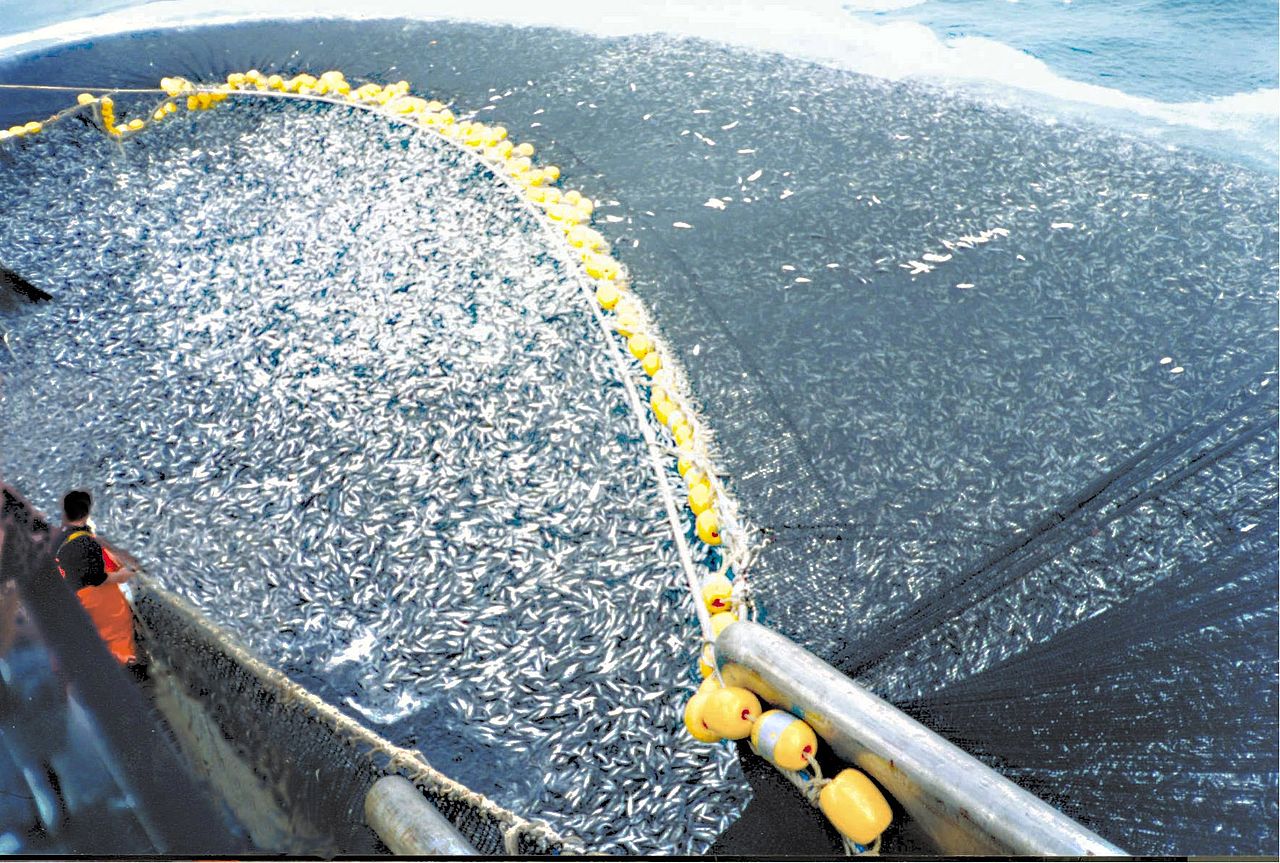
Industrial-scale overfishing is driven by high global demand for seafood, advanced fishing technologies (like sonar and large nets), government subsidies that make fishing more profitable, and often weak or poorly enforced regulations. The pursuit of maximum catch volume, rather than sustainable yields, is a primary economic incentive.
Can overfished populations recover?
Yes, some overfished populations can recover if fishing pressure is significantly reduced and management measures are effective. Recovery often depends on factors like the species' reproductive rate, the extent of habitat damage, and the presence of remaining breeding stock. Establishing MPAs is a key strategy to facilitate recovery by providing safe havens for fish populations.
What is the role of consumers in combating overfishing?
Consumers have significant power through their purchasing decisions. By choosing seafood that is certified as sustainable by reputable organizations like the MSC, consumers signal demand for responsible fishing practices. Avoiding species known to be overfished or caught using destructive methods also contributes to conservation efforts.
What is 'bycatch' and how is it related to overfishing?
Bycatch refers to the unintended capture of non-target species, such as dolphins, turtles, seabirds, and other fish, during fishing operations. Bycatch is a significant component of ecosystem overfishing because it represents a massive waste of marine life and can decimate populations of vulnerable or endangered species, further disrupting the ecological balance.