
Contents
- 🗺️ The Core Dispute: Land and Self-Determination
- 📜 Historical Roots and Key Milestones
- ⚖️ Major Issues on the Table
- 🌍 International Involvement and Diplomacy
- 💡 Understanding the Perspectives
- 📈 Current State and Future Outlook
- 📚 Resources for Deeper Understanding
- 🤝 How to Engage with the Topic
- Frequently Asked Questions
- Related Topics
Overview
The Israeli-Palestinian conflict is a protracted geopolitical and territorial dispute centered on the region of Palestine. Its roots trace back to the late 19th and early 20th centuries with the rise of Zionism and Arab nationalism, escalating significantly after World War I and the collapse of the Ottoman Empire. Key events include the 1947 UN Partition Plan, the establishment of Israel in 1948, and subsequent wars (1967 Six-Day War, 1973 Yom Kippur War) that reshaped borders and led to Israeli occupation of Palestinian territories. The conflict is characterized by competing national aspirations, historical claims, and ongoing violence, impacting millions of lives and shaping regional stability.
🗺️ The Core Dispute: Land and Self-Determination
The Israeli-Palestinian Conflict is fundamentally a struggle over land and the right to self-determination within the historic territory of Mandatory Palestine. At its heart, it involves two national movements, Zionism and Palestinian nationalism, each asserting claims to the same land. This has resulted in decades of violence, displacement, and political deadlock, making it one of the most protracted and complex geopolitical disputes of the modern era. Understanding this core tension is crucial to grasping the motivations and grievances of both sides.
📜 Historical Roots and Key Milestones
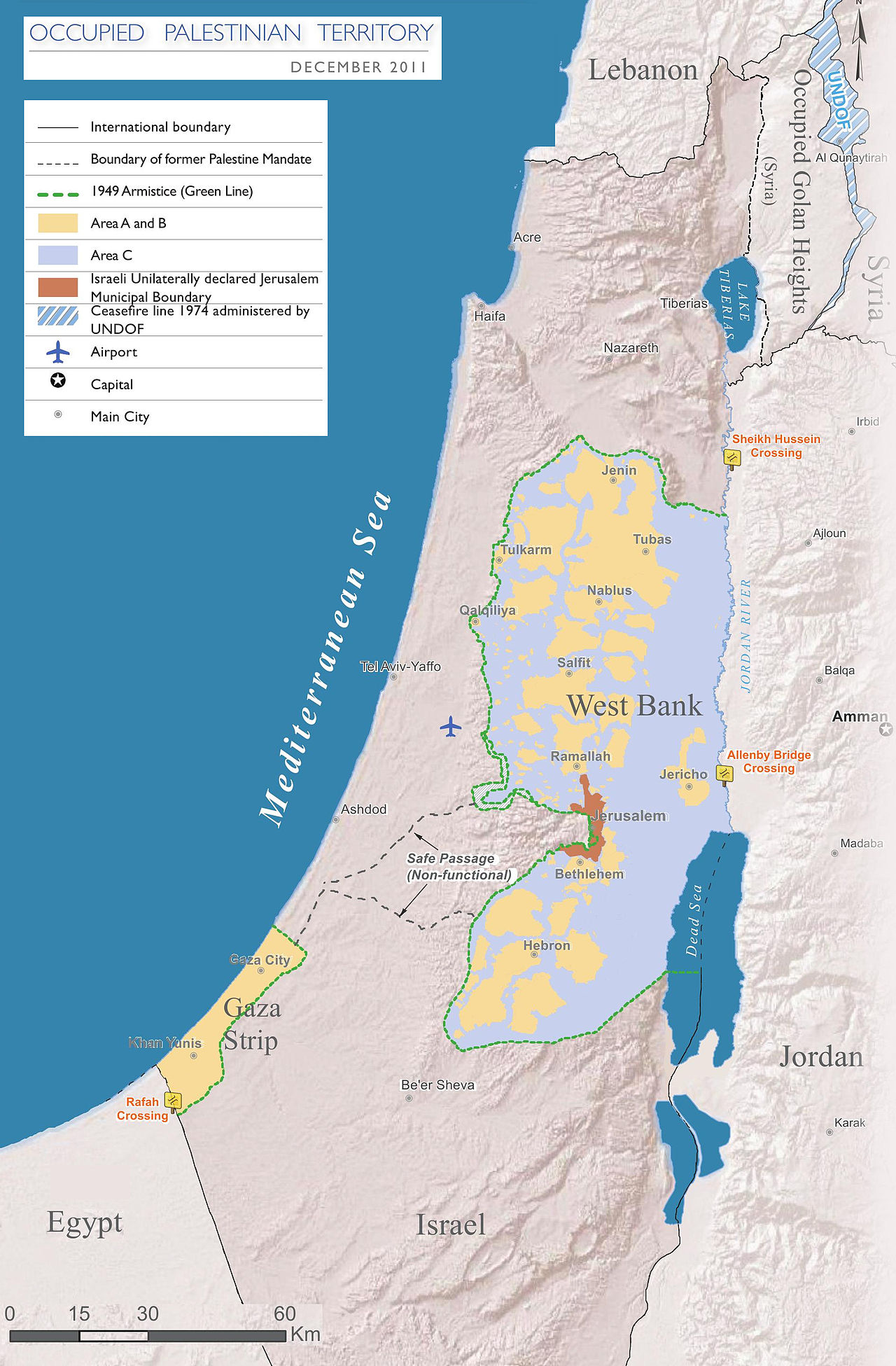
The conflict's roots stretch back to the late 19th and early 20th centuries with the rise of Zionism and increasing Jewish immigration to Ottoman and later British-controlled Palestine. The Balfour Declaration of 1917, supporting a Jewish homeland, and the subsequent UN Partition Plan of 1947, which proposed dividing the land, laid groundwork for future conflict. The 1948 Arab-Israeli War and the subsequent establishment of Israel led to the displacement of hundreds of thousands of Palestinians, an event known as the Nakba, or "catastrophe." The Six-Day War in 1967 saw Israel occupy the West Bank, Gaza Strip, East Jerusalem, and the Golan Heights, further complicating the territorial and political landscape.
⚖️ Major Issues on the Table
Several critical issues remain central to the conflict. These include the status of Palestinian refugees and their right of return, the ongoing Israeli occupation of the West Bank and Gaza, the contested status of Jerusalem as a capital for both sides, and the expansion of Israeli settlements in occupied territories. Security concerns for Israel, water rights, and the stringent permit regime imposed by Israel in the West Bank and Gaza also represent significant points of contention, directly impacting Palestinian freedom of movement and daily life.
🌍 International Involvement and Diplomacy
The international community has been deeply involved in the Israeli-Palestinian conflict for decades, primarily through the United Nations and various diplomatic initiatives. Numerous peace processes, such as the Oslo Accords in the 1990s, have aimed to achieve a two-state solution, but have ultimately failed to resolve the core issues. Major global powers, including the United States, the European Union, and Arab nations, have played roles as mediators, guarantors, and sometimes as parties with vested interests, influencing the trajectory of negotiations and the dynamics of the conflict.
💡 Understanding the Perspectives
Understanding the conflict requires acknowledging the distinct perspectives of Israelis and Palestinians. Israelis often emphasize their historical and religious connection to the land, security concerns stemming from past wars and attacks, and the right to a secure, recognized state. Palestinians, conversely, highlight their historical presence, the injustices of displacement and occupation, the right to self-determination, and the need for a sovereign state with East Jerusalem as its capital. These deeply held narratives often clash, making compromise exceedingly difficult.
📈 Current State and Future Outlook
The current state of the conflict is characterized by a lack of meaningful peace negotiations, continued Israeli military control over Palestinian territories, and sporadic outbreaks of violence. The Gaza Strip, under blockade since 2007, faces severe humanitarian challenges, while the West Bank experiences ongoing settlement expansion and restrictions on Palestinian life. The future outlook remains uncertain, with debates continuing over the viability of a two-state solution versus other potential frameworks, such as a one-state solution, and the potential for renewed large-scale conflict.
📚 Resources for Deeper Understanding
For those seeking to understand the Israeli-Palestinian conflict more deeply, a wealth of resources exists. Academic institutions and think tanks offer extensive research and analysis. Key organizations like B'Tselem (an Israeli human rights group) and Al-Haq (a Palestinian human rights organization) provide critical on-the-ground reporting and legal analysis. Books by historians and journalists, such as Benny Morris's works on the 1948 war or Rashid Khalidi's analyses of Palestinian history, offer essential context. Documentaries and journalistic accounts also provide powerful human perspectives.
🤝 How to Engage with the Topic
Engaging with the complexities of the Israeli-Palestinian conflict can be challenging but is crucial for informed understanding. Start by reading diverse sources that represent different viewpoints, including Israeli, Palestinian, and international perspectives. Follow reputable news organizations that cover the region extensively. Consider attending lectures or webinars hosted by academic institutions or peace organizations. Supporting organizations that work towards human rights and a just resolution can also be a practical way to engage with the topic.
Key Facts
- Year
- 1948
- Origin
- Late 19th Century Zionism & Arab Nationalism
- Category
- Geopolitics & History
- Type
- Conflict
Frequently Asked Questions
What is the primary cause of the Israeli-Palestinian Conflict?
The primary cause is a dispute over land and self-determination within the historic territory of Mandatory Palestine. Both Israelis and Palestinians assert claims to the same land, leading to competing national movements and decades of conflict over territory, security, and sovereignty.
What are the key issues that need to be resolved for peace?
Key issues include the status of Palestinian refugees and their right of return, the Israeli occupation of the West Bank and Gaza, the final status of Jerusalem, the legality and expansion of Israeli settlements, border demarcation, security arrangements, and resource allocation like water rights.
What was the significance of the 1948 Arab-Israeli War?
The 1948 war, following the UN Partition Plan and Israel's declaration of independence, resulted in the establishment of the State of Israel and the displacement of hundreds of thousands of Palestinians, known as the Nakba. It fundamentally reshaped the demographic and political map of the region and created the Palestinian refugee crisis.
What is the current status of the Gaza Strip?
The Gaza Strip has been under an Israeli-Egyptian blockade since 2007, following Hamas's takeover. It faces severe humanitarian challenges, including high unemployment, poverty, and limited access to essential services, exacerbated by recurrent conflicts and restrictions on movement and goods.
What is the 'two-state solution'?
The two-state solution is a proposed framework for resolving the conflict, envisioning an independent Palestinian state alongside the State of Israel. It generally involves Israel withdrawing from territories occupied in 1967, with mutually agreed land swaps, and establishing a Palestinian state in the West Bank and Gaza, with East Jerusalem as its capital.
How has the international community responded to the conflict?
The international community, primarily through the UN and major world powers, has engaged in numerous diplomatic efforts, mediation attempts, and peace processes, such as the Oslo Accords. International bodies also provide humanitarian aid and monitor human rights, though consensus on solutions remains elusive.