
Contents
- 🩺 What is Telemedicine?
- 🏥 Who Benefits Most from Telemedicine?
- 💻 Key Telemedicine Technologies
- 💰 Understanding Telemedicine Costs & Insurance
- ⭐ Patient Experiences & Ratings
- 🆚 Telemedicine vs. In-Person Care
- 💡 Tips for a Successful Telemedicine Visit
- 🚀 Getting Started with Telemedicine
- Frequently Asked Questions
- Related Topics
Overview
Telemedicine leverages telecommunications technology to deliver healthcare services remotely, bridging geographical barriers and improving access to medical expertise. It encompasses a range of applications, from virtual consultations and remote patient monitoring to digital diagnostics and specialist referrals. The COVID-19 pandemic dramatically accelerated its adoption, transforming how routine care, chronic disease management, and even urgent consultations are delivered. While offering significant benefits in convenience and cost-effectiveness, challenges remain regarding data security, regulatory compliance, and ensuring equitable access for all patient populations. Understanding the various modalities and their practical applications is key for both patients and providers navigating this evolving healthcare frontier.
🩺 What is Telemedicine?
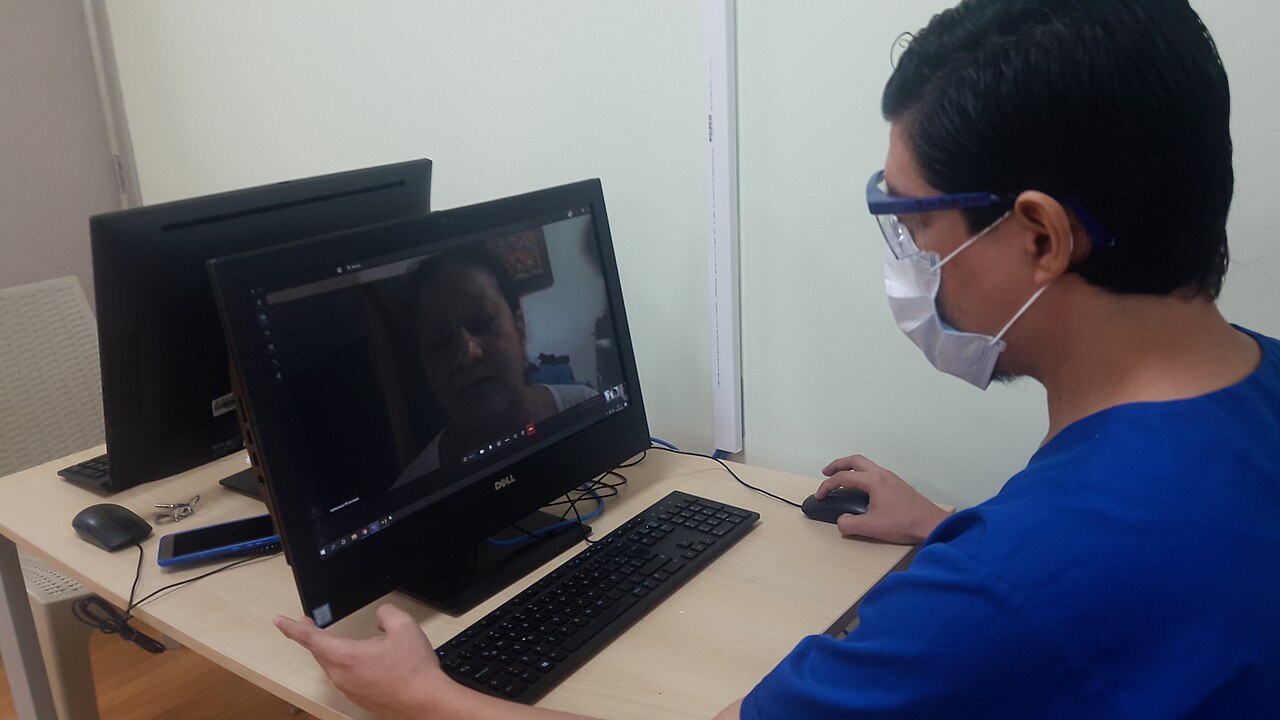
Telemedicine, often used interchangeably with telehealth, is the delivery of healthcare services remotely using telecommunications technology. This isn't just about video calls; it encompasses a wide array of tools like patient portals, remote patient monitoring devices, and secure electronic health record (EHR) systems for data sharing. It allows healthcare professionals to diagnose, treat, and manage patient conditions without requiring a physical visit, extending the reach of healthcare beyond traditional clinic walls. The core principle is leveraging technology to bridge geographical distances and improve access to care, making it a critical component of modern healthcare delivery.
🏥 Who Benefits Most from Telemedicine?
Telemedicine is particularly beneficial for individuals in rural or underserved areas where access to specialists may be limited. It's also a lifeline for patients with mobility issues, chronic conditions requiring frequent check-ins, or those who simply need convenient access to routine care. Busy professionals, parents with young children, and individuals seeking faster access to consultations for non-emergency issues also find significant value. Essentially, anyone looking to save time, reduce travel burdens, and manage their health more proactively can benefit from telemedicine services.
💻 Key Telemedicine Technologies
The backbone of telemedicine relies on several key technologies. video conferencing platforms are perhaps the most visible, enabling face-to-face consultations. electronic health records (EHRs) are crucial for seamless data exchange between providers and for patients to access their own health information via portals. remote patient monitoring devices, such as wearable sensors and connected home health equipment, allow for continuous tracking of vital signs and other health metrics. Secure messaging systems and telehealth apps further facilitate communication and appointment management.
💰 Understanding Telemedicine Costs & Insurance
The cost of telemedicine can vary, but it often presents a more affordable option than in-person visits, especially for consultations. Many health insurance providers now cover telemedicine services, though coverage details can differ significantly. It's essential to verify your specific plan's benefits and any associated copays or deductibles. Some services operate on a direct-pay model, offering transparent pricing for consultations, which can be advantageous for those without insurance or seeking specific services.
⭐ Patient Experiences & Ratings
Patient experiences with telemedicine are generally positive, with many appreciating the convenience and efficiency. Ratings often highlight the ease of scheduling, the professionalism of providers, and the effectiveness of remote consultations for certain conditions. However, some patients express a preference for in-person interaction for more complex diagnoses or when a physical examination is deemed critical. Online reviews and patient satisfaction surveys are valuable resources for gauging the quality of specific telemedicine providers.
🆚 Telemedicine vs. In-Person Care
Telemedicine offers distinct advantages over traditional in-person care, primarily in convenience and accessibility. It eliminates travel time and costs, reduces exposure to infectious diseases in waiting rooms, and often provides quicker appointment availability. However, in-person visits remain indispensable for physical examinations, certain diagnostic procedures (like X-rays or blood draws), and hands-on treatments. The choice between telemedicine and in-person care often depends on the nature of the medical concern, the patient's condition, and the availability of technology.
💡 Tips for a Successful Telemedicine Visit
To make the most of a telemedicine appointment, ensure you have a stable internet connection and a private, quiet space. Test your audio and video equipment beforehand. Have your medical history readily available, including a list of current medications and any relevant test results. Prepare a list of questions or concerns you want to discuss with the provider. Be clear and concise when describing your symptoms, and don't hesitate to ask for clarification if anything is unclear during the consultation.
🚀 Getting Started with Telemedicine
Getting started with telemedicine is straightforward. First, check if your current primary care physician offers telemedicine services. If not, explore dedicated telemedicine platforms or apps. You'll typically need to create an account, provide your medical information, and schedule an appointment. Ensure you have a compatible device (smartphone, tablet, or computer with a camera and microphone) and a reliable internet connection. Many platforms offer introductory guides or support to help you navigate the process.
Key Facts
- Year
- 1990
- Origin
- Early experiments in the 1950s and 60s, with significant development and adoption in the 1990s and 2000s.
- Category
- Healthcare Technology
- Type
- Service
Frequently Asked Questions
Is telemedicine secure?
Yes, reputable telemedicine platforms use robust data encryption and security protocols to protect patient information, complying with regulations like HIPAA. Ensure the platform you use clearly outlines its security measures. Secure communication channels and confidentiality agreements are standard practice to safeguard your health data during remote consultations.
What types of conditions can be treated via telemedicine?
Telemedicine is effective for a wide range of conditions, including routine check-ups, prescription refills, mental health counseling, dermatology consultations, and managing chronic illnesses. It's ideal for follow-up appointments, reviewing test results, and addressing acute but non-emergency issues like colds, flu, or minor infections. However, conditions requiring immediate physical examination or emergency intervention are best handled in person.
Do I need special equipment for telemedicine?
Generally, you'll need a device with a camera and microphone (like a smartphone, tablet, or computer) and a stable internet connection. Some remote patient monitoring services might involve specific devices, but these are usually provided or prescribed by your healthcare provider. The platform itself is typically accessed via a web browser or a dedicated app.
How do I find a telemedicine provider?
You can start by asking your current doctor if they offer virtual visits. Many hospital systems and clinics have their own telemedicine services. Additionally, numerous dedicated telemedicine platforms and apps are available, often specializing in specific areas like primary care, mental health, or dermatology. Checking with your insurance provider for a list of covered telemedicine services is also a good step.
Can I get a prescription through telemedicine?
Yes, in many cases, telemedicine providers can issue electronic prescriptions for medications. This is particularly common for prescription refills or for treating conditions that don't require immediate in-person assessment. However, regulations vary by state and by the type of medication, and providers will assess whether a prescription is appropriate and safe without a physical examination.
What's the difference between telemedicine and telehealth?
While often used interchangeably, telehealth is a broader term encompassing all remote healthcare services, including administration and education. telemedicine specifically refers to the clinical services provided remotely, such as diagnosis and treatment. Think of telemedicine as a subset of telehealth, focusing directly on patient care delivery.