
Contents
- 🌱 Introduction to Photosynthesis
- 🔬 The Science Behind Photosynthesis
- 🌿 Types of Photosynthetic Organisms
- 🌈 The Importance of Photosynthesis
- 📊 The Process of Photosynthesis
- 🔍 Comparing Photosynthesis to Other Biological Processes
- 🌐 Practical Applications of Photosynthesis
- 👥 Getting Started with Photosynthesis Research
- 🤔 Common Misconceptions About Photosynthesis
- 📚 Further Reading on Photosynthesis
- Frequently Asked Questions
- Related Topics
Overview
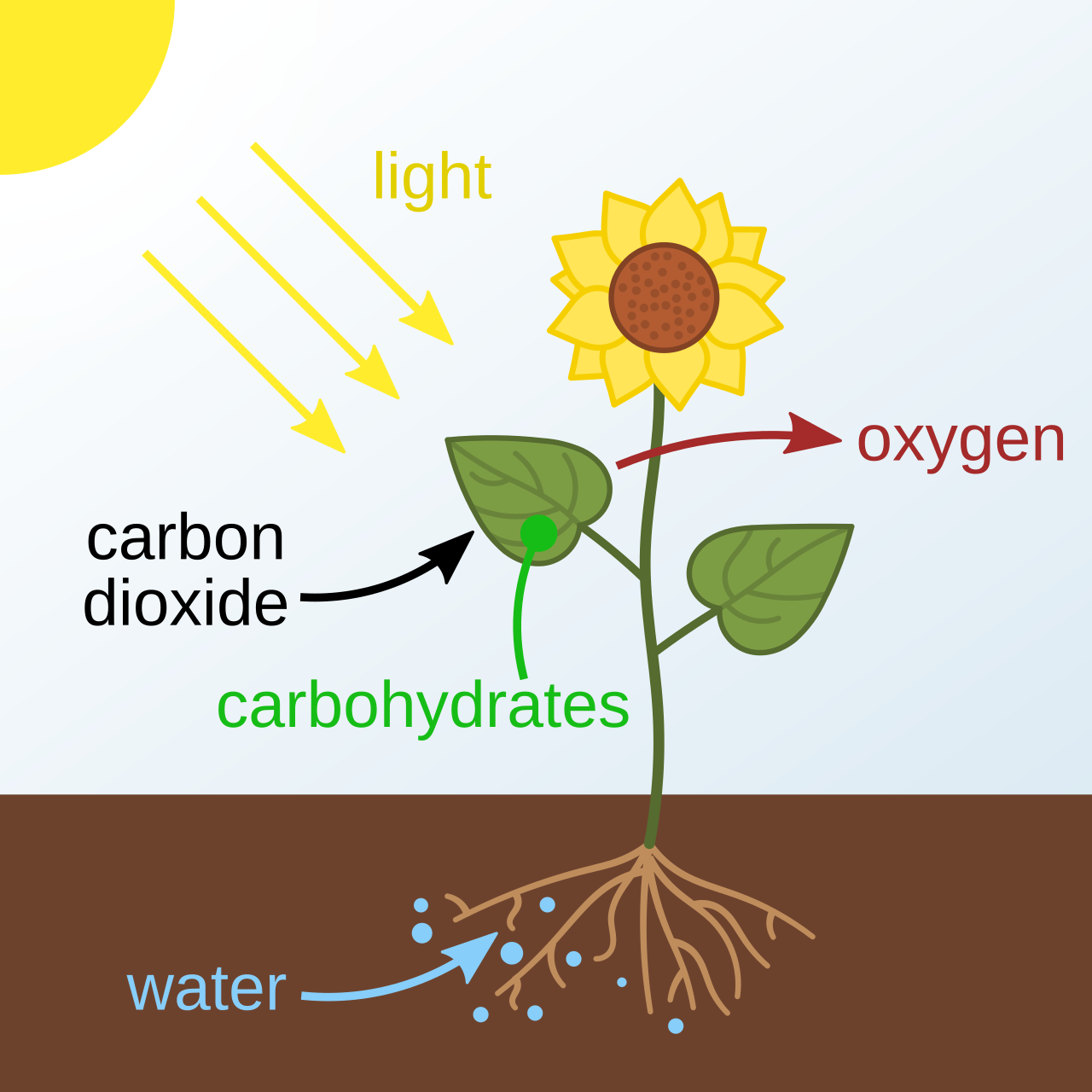
Photosynthesis is a vital biological process that occurs in photopigment-bearing autotrophic organisms, such as most plants, algae, and cyanobacteria. This process involves the conversion of light energy from sunlight into chemical energy, which is then stored in the form of carbohydrates like sugars, starches, phytoglycogen, and cellulose. As a result, photosynthesis plays a critical role in producing and maintaining the oxygen content of the Earth's atmosphere, and it supplies most of the biological energy necessary for complex life on Earth, including food chains and ecosystems. To learn more about the importance of photosynthesis, visit the ecology page. For a deeper understanding of the process, explore the biochemistry of photosynthesis.
🔬 The Science Behind Photosynthesis
The science behind photosynthesis is complex and involves the interaction of various biological molecules, including chlorophyll, pigments, and enzymes. The process of photosynthesis can be divided into two stages: the light-dependent reactions and the light-independent reactions. The light-dependent reactions involve the absorption of light energy by photopigments and the transfer of electrons to generate ATP and NADPH. The light-independent reactions, also known as the Calvin cycle, involve the fixation of carbon dioxide into organic compounds using the energy from ATP and NADPH. For more information on the light-dependent reactions, visit the photobiology page.
🌿 Types of Photosynthetic Organisms
There are several types of photosynthetic organisms, including plants, algae, and cyanobacteria. These organisms can be found in a variety of ecosystems, including terrestrial ecosystems, freshwater ecosystems, and marine ecosystems. Each type of photosynthetic organism has its own unique characteristics and adaptations that allow it to thrive in its environment. For example, coral reefs are home to a diverse array of photosynthetic organisms, including corals and seaweeds. To learn more about the different types of photosynthetic organisms, visit the taxonomy page.
🌈 The Importance of Photosynthesis
The importance of photosynthesis cannot be overstated. Without photosynthesis, life on Earth as we know it would not be possible. Photosynthesis provides the energy and organic compounds necessary to support the food chain, from primary producers like plants and algae to primary consumers like herbivores and secondary consumers like carnivores. Additionally, photosynthesis helps to regulate the Earth's climate by removing carbon dioxide from the atmosphere and producing oxygen. For more information on the impact of photosynthesis on the climate, visit the climate change page.
📊 The Process of Photosynthesis
The process of photosynthesis involves the conversion of light energy from sunlight into chemical energy in the form of carbohydrates. This process occurs in specialized organelles called chloroplasts, which are found in plant cells and algal cells. The overall equation for photosynthesis is: 6 CO2 + 6 H2O + light energy → C6H12O6 (glucose) + 6 O2. This equation shows that photosynthesis requires carbon dioxide, water, and light energy to produce glucose and oxygen. For a more detailed explanation of the equation, visit the chemical equations page.
🔍 Comparing Photosynthesis to Other Biological Processes
Photosynthesis is often compared to other biological processes, such as respiration and fermentation. While these processes are similar in that they involve the conversion of energy from one form to another, they differ in terms of the energy sources and products involved. For example, respiration involves the breakdown of glucose to produce ATP and carbon dioxide, whereas photosynthesis involves the conversion of light energy into chemical energy in the form of carbohydrates. To learn more about the differences between photosynthesis and respiration, visit the cellular respiration page.
🌐 Practical Applications of Photosynthesis
Photosynthesis has many practical applications, from agriculture to biotechnology. For example, understanding the process of photosynthesis can help farmers optimize crop yields and improve the efficiency of irrigation systems. Additionally, photosynthetic organisms are being used to develop new biofuels and bioproducts, such as biodiesel and bioplastics. For more information on the practical applications of photosynthesis, visit the sustainability page.
👥 Getting Started with Photosynthesis Research
Getting started with photosynthesis research can be as simple as observing the growth of plants in different lighting conditions or measuring the rate of photosynthesis in a laboratory setting. For more advanced research, scientists may use techniques such as spectroscopy or chromatography to study the biochemical processes involved in photosynthesis. To learn more about the research methods used to study photosynthesis, visit the scientific method page.
🤔 Common Misconceptions About Photosynthesis
There are several common misconceptions about photosynthesis, including the idea that it only occurs in green plants or that it is a simple process. In reality, photosynthesis occurs in a wide range of organisms, including algae and cyanobacteria, and it involves a complex series of biochemical reactions. For more information on the misconceptions surrounding photosynthesis, visit the critical thinking page.
📚 Further Reading on Photosynthesis
For further reading on photosynthesis, visit the biology page or explore the scientific literature on the topic. Additionally, there are many online resources available, including educational websites and scientific databases, that provide information on photosynthesis and related topics. To learn more about the resources available for studying photosynthesis, visit the information literacy page.
Key Facts
- Year
- 1779
- Origin
- First described by Jan Ingenhousz
- Category
- Biology
- Type
- Biological Process
Frequently Asked Questions
What is the overall equation for photosynthesis?
The overall equation for photosynthesis is: 6 CO2 + 6 H2O + light energy → C6H12O6 (glucose) + 6 O2. This equation shows that photosynthesis requires carbon dioxide, water, and light energy to produce glucose and oxygen. For a more detailed explanation of the equation, visit the chemical equations page.
What are the two stages of photosynthesis?
The two stages of photosynthesis are the light-dependent reactions and the light-independent reactions. The light-dependent reactions involve the absorption of light energy by photopigments and the transfer of electrons to generate ATP and NADPH. The light-independent reactions, also known as the Calvin cycle, involve the fixation of carbon dioxide into organic compounds using the energy from ATP and NADPH. For more information on the light-dependent reactions, visit the photobiology page.
What is the importance of photosynthesis?
The importance of photosynthesis cannot be overstated. Without photosynthesis, life on Earth as we know it would not be possible. Photosynthesis provides the energy and organic compounds necessary to support the food chain, from primary producers like plants and algae to primary consumers like herbivores and secondary consumers like carnivores. Additionally, photosynthesis helps to regulate the Earth's climate by removing carbon dioxide from the atmosphere and producing oxygen. For more information on the impact of photosynthesis on the climate, visit the climate change page.
What are some common misconceptions about photosynthesis?
There are several common misconceptions about photosynthesis, including the idea that it only occurs in green plants or that it is a simple process. In reality, photosynthesis occurs in a wide range of organisms, including algae and cyanobacteria, and it involves a complex series of biochemical reactions. For more information on the misconceptions surrounding photosynthesis, visit the critical thinking page.
How can I get started with photosynthesis research?
Getting started with photosynthesis research can be as simple as observing the growth of plants in different lighting conditions or measuring the rate of photosynthesis in a laboratory setting. For more advanced research, scientists may use techniques such as spectroscopy or chromatography to study the biochemical processes involved in photosynthesis. To learn more about the research methods used to study photosynthesis, visit the scientific method page.
What are some practical applications of photosynthesis?
Photosynthesis has many practical applications, from agriculture to biotechnology. For example, understanding the process of photosynthesis can help farmers optimize crop yields and improve the efficiency of irrigation systems. Additionally, photosynthetic organisms are being used to develop new biofuels and bioproducts, such as biodiesel and bioplastics. For more information on the practical applications of photosynthesis, visit the sustainability page.
How does photosynthesis affect the Earth's climate?
Photosynthesis helps to regulate the Earth's climate by removing carbon dioxide from the atmosphere and producing oxygen. This process helps to mitigate the effects of climate change by reducing the amount of greenhouse gases in the atmosphere. For more information on the impact of photosynthesis on the climate, visit the climate change page.